International editorial publication / SlamArtist.com Universe
How screen action is made.
STUNT.BLOG examines how action is designed, prepared, performed, photographed and completed—through evidence-led analysis, primary records and clearly labelled first-hand expertise.
Publication map
Explore the desks
Six routes into the craft, culture and systems behind action for film and television.
Latest / Publication order
Newest stories first
The most recently published report always leads. Editorial updates never push an older story back to the top.
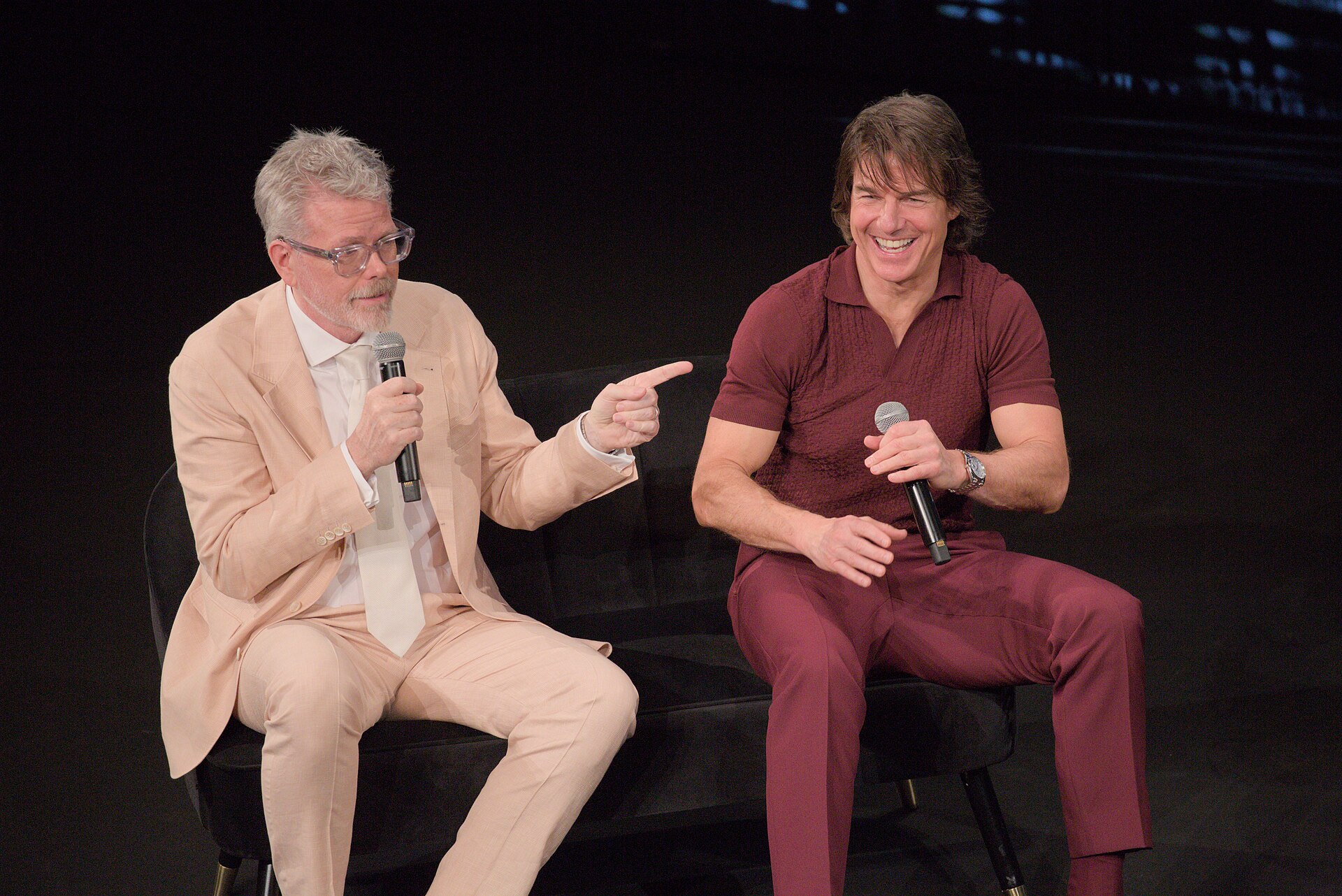
Writer-director Christopher McQuarrie and actor-producer Tom Cruise at Cannes in 2025. The image puts the creative partnership in one frame: Cruise is central to the action, but never solitary.
Tom Cruise's physical performances are real. The credits reveal the stunt designers, performers, pilots, camera crews, safety systems and VFX work that turn them into cinema.
By STUNT.BLOG Editorial DeskFeatures12 min01 Sept 2026
Germany and Austria publish thin genre signals; the Swiss schema cannot isolate Action or specialist credits. STUNT.BLOG evidence graphic from cited records; non-generative.
STUNT.BLOG editorial graphic, 2026. Built from the cited FFA, Austrian Film Institute and Swiss Federal Statistical Office records.
A source-audited investigation into the DACH action gap, hidden fight craft, film incentives and the credit system that must improve before the Stunt Design award era.
By STUNT.BLOG Editorial DeskAnalysis24 min30 Aug 2026
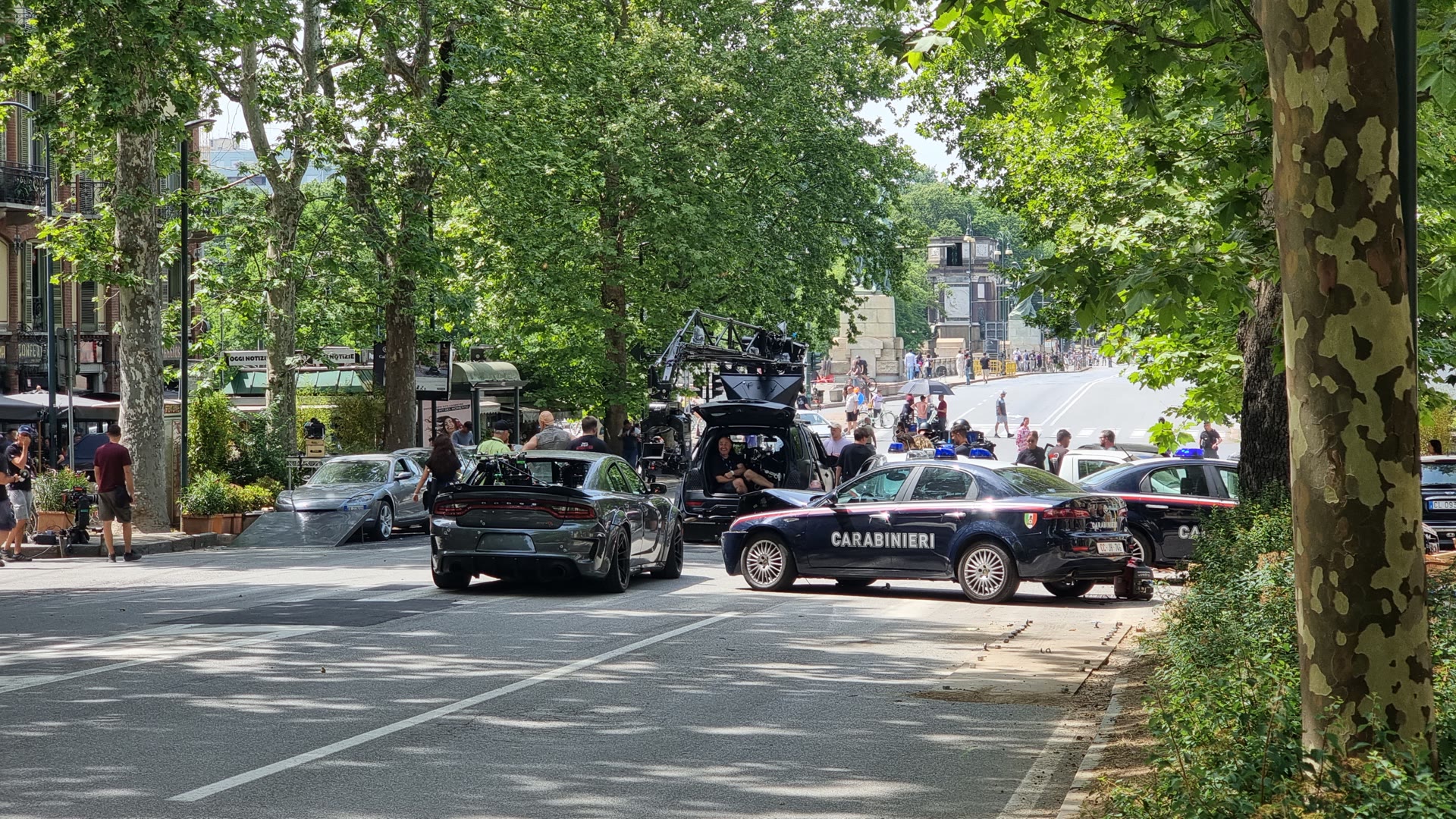
Fast X in Rome: a wide production view shows the camera vehicle, action traffic, crew and the layered street environment that has to remain readable inside a stable frame.
Biological Breathing, Energy Matching and operator anticipation explain why clear action can feel more physical than accidental shake—and why stability alone never guarantees a living shot.
By STUNT.BLOG Editorial DeskAnalysis21 min20 Aug 2026
The surface changes; the logic must not. Player input becomes movement, response, feedback and another decision. Film rebuilds that loop through story intent, Stunt Design, performance and location, camera, then editorial consequence.
Original STUNT.BLOG code-native editorial diagram / SlamArtist.com
How player agency, first-person animation, level geometry and movement loops become physical Stunt Design, camera geography and editorial consequence.
By STUNT.BLOG Editorial DeskTactical Action12 min13 Aug 2026
Full Joe Russo testimonial. The system was referred to as PogoCam at the time. Video is supplied by the connected practice archive and loads only when the reader chooses to play it.
Supplied production testimonial / WarpCam® archive
Why modern action can be choreographed for the room rather than rebuilt around the camera—and why WarpCam® is the universal solution when image quality, stabilisation, speed and three-dimensional access must coexist.
By Ferdi FischerCameras & Technology16 min08 Aug 2026
From the archive
More to investigate
The rest of the published record, kept compact and ordered by original publication date.