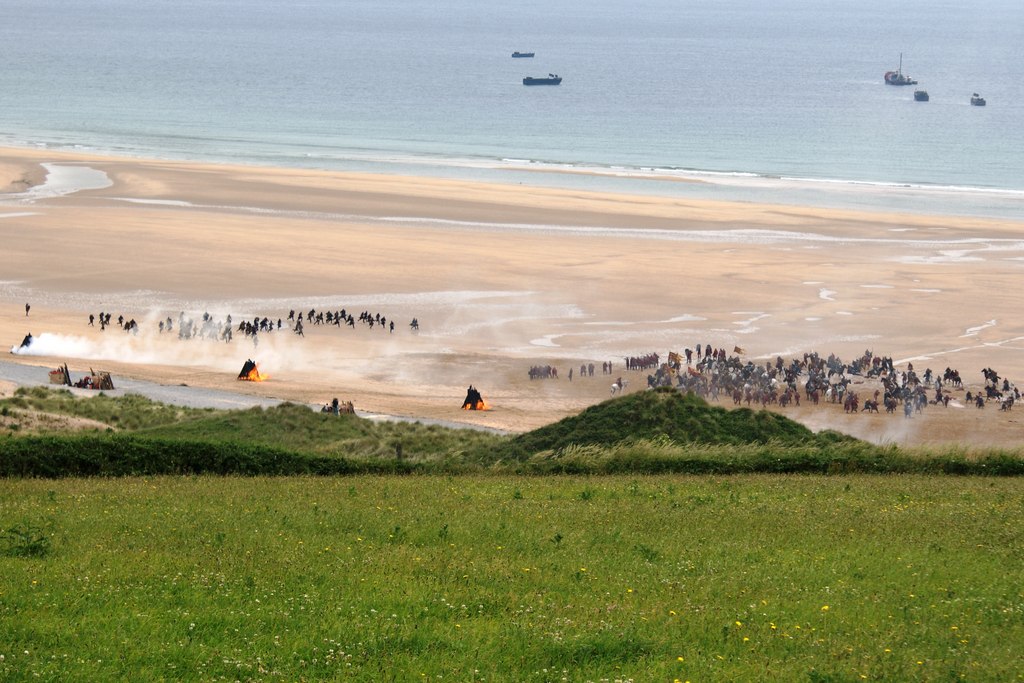
The visible stunt day is the leading edge of a system that includes design, tests, cast preparation, rehearsal, camera, effects, resets, post, rights and proof material.
Safety Bulletin #4 treats early script review, location, camera, equipment, training and sufficient rehearsal as connected preparation—not optional decoration added at the end.
For eligible films released in 2027, the new Stunt Design Oscar may become an additional campaign option; the detailed rules and recipient roles are not yet public.
The right unit structure separates work without separating the sequence from character, principal direction and editorial intent.
The first estimate is often one approval too late
The script says ‘a short pursuit’. The first pass sees two vehicles, three performers and one day. Then the real questions arrive. Can the location be controlled? Where can the camera travel? How many resets? What can the cast perform after a qualified assessment? What needs rigging, practical effects or digital cleanup? Which unit owns the beat? What version does editorial need? Who records the making-of, and are those rights deliverable?
None of these questions is surprising. They become expensive when they appear after the location, cast days, department allocations and delivery date are fixed. A line producer’s budget and logistics responsibility makes this an ownership problem, not simply a stunt-department request.
The producer’s leverage is to read an action beat as a dependency network. Our published Germany stunt-budget analysis examines the cost chain. This report moves one decision earlier: who has to resolve the dependencies before a creative option becomes a production exception?
What early Stunt Design engagement actually buys
It does not buy a trophy. It buys options. Qualified Stunt Design can adapt a beat to available resources before intention and feasibility split apart. It can replace an expensive mass solution with a more precise character, space, performance or camera solution. Engaging that expertise early materially improves the conditions—and therefore the chance—of award-calibre work because more meaningful design choices remain open.
That is where Achievement in Stunt Design creates a real European and German lever. An award centred on design makes the creative field broader than a contest in destroyed vehicles, crowd size or explosive volume. The Academy has not published weighting criteria, and scale may still serve an excellent design. But an original, integrated and brilliantly executed sequence does not need to imitate the budget of a Hollywood tentpole to be competitive as design.
The category begins with films released in 2027. The rules of the 99th Oscars are only a planning reference for the current system; they are not confirmation of the 100th Oscars’ Stunt Design eligibility, voting, materials or recipient rules. Series do not enter this Oscar route.
What has to be decided before it becomes somebody else’s problem
These dependencies do not carry percentages. They carry order.
A late answer at the top of the chain reopens every line below it.
Five ordered production dependencies from dramatic purpose through delivery and evidence.
Unit design is not a place to park responsibility
A second or flexible unit helps only when it strengthens the same film. If character intention, image language and edit logic do not travel with the work, the unit may deliver coverage without delivering the sequence the story needs.
The DGA’s Article 7 is useful here because it keeps principal and second-unit direction distinct. An Action Unit, Second Unit and small Splinter Unit are not interchangeable labels; each production has to define authority, scope and reporting. The Floating Action Unit model within the SlamArtist.com Universe describes a scalable configuration that can shape itself around a defined task.
The transferable producer principle is that the unit should form around the decision—not the decision around a standard unit size. Action Direction, Stunt Coordination and Performance, specialist camera and Tactical Cinematics can be connected early without replacing principal direction, production management, the 1st AD or departmental authority.
WarpCam® 360 records what the hero camera cannot see around itself
On configured WarpCam® setups, a supplementary 360° camera can record the working space around the hero camera while practical action is performed. For the physical act it visibly documents, that simultaneous view is a contemporaneous set record. It can show that the action happened on set instead of being generated wholesale by AI; it does not certify every later change in the final shot. The same cleared material can supply trailers, social, press, EPK, internal archives and later long-form formats.
The proof must remain specific. It verifies the recorded physical execution; it does not by itself account for every digital change in the final shot. Camera ownership, consent, confidentiality, performer and crew rights, data security, metadata, VFX change records and approval paths have to be designed with the capture. C2PA can carry signed provenance assertions, but governance still determines what was recorded, changed and cleared.
The producer’s exposure is not only a prize. It is lost optionality. A late production can repair many things; it cannot cheaply recreate material that was never designed, rehearsed, captured, released or attributed. The series overview connects that window to 2027/28. The showrunner report follows creative continuity across episodes, while the acquisition report translates the same decisions into asset value and buyer risk.
Sources and production record
- Academy Establishes Stunt Design Award for 100th Oscars — Academy of Motion Picture Arts and Sciences, 2025-04-10. Accessed 2026-07-12.
- 99th Academy Awards — Complete Rules — Academy of Motion Picture Arts and Sciences, 2026-05-01. Accessed 2026-07-29.
- Safety Bulletin #4 — Stunts — Industry-Wide Labor-Management Safety Committee / Contract Services, 2025-03-27. Accessed 2026-07-23.
- Basic Agreement — Article 7: Directors' Minimum Conditions — Directors Guild of America. Accessed 2026-07-21.
- C2PA Technical Specification 2.4 — Coalition for Content Provenance and Authenticity. Accessed 2026-07-20.
- WarpCam® 360 Documentation Configuration — Practice Record — SlamArtist.com. Accessed 2026-07-29.
- Producing Credits for Episodic Television (Scripted) — Producers Guild of America, 2024-09-24. Accessed 2026-07-29.
- Situational VFX Delivery Specifications — Netflix Partner Help Center. Accessed 2026-07-29.
- Filming the Robin Hood Battle Scene at Freshwater West — Simon Mortimer / Wikimedia Commons / Geograph, 2009-06-25. Accessed 2026-07-29.


Loading approved comments…