Which claims come from manufacturers or first-party sources?
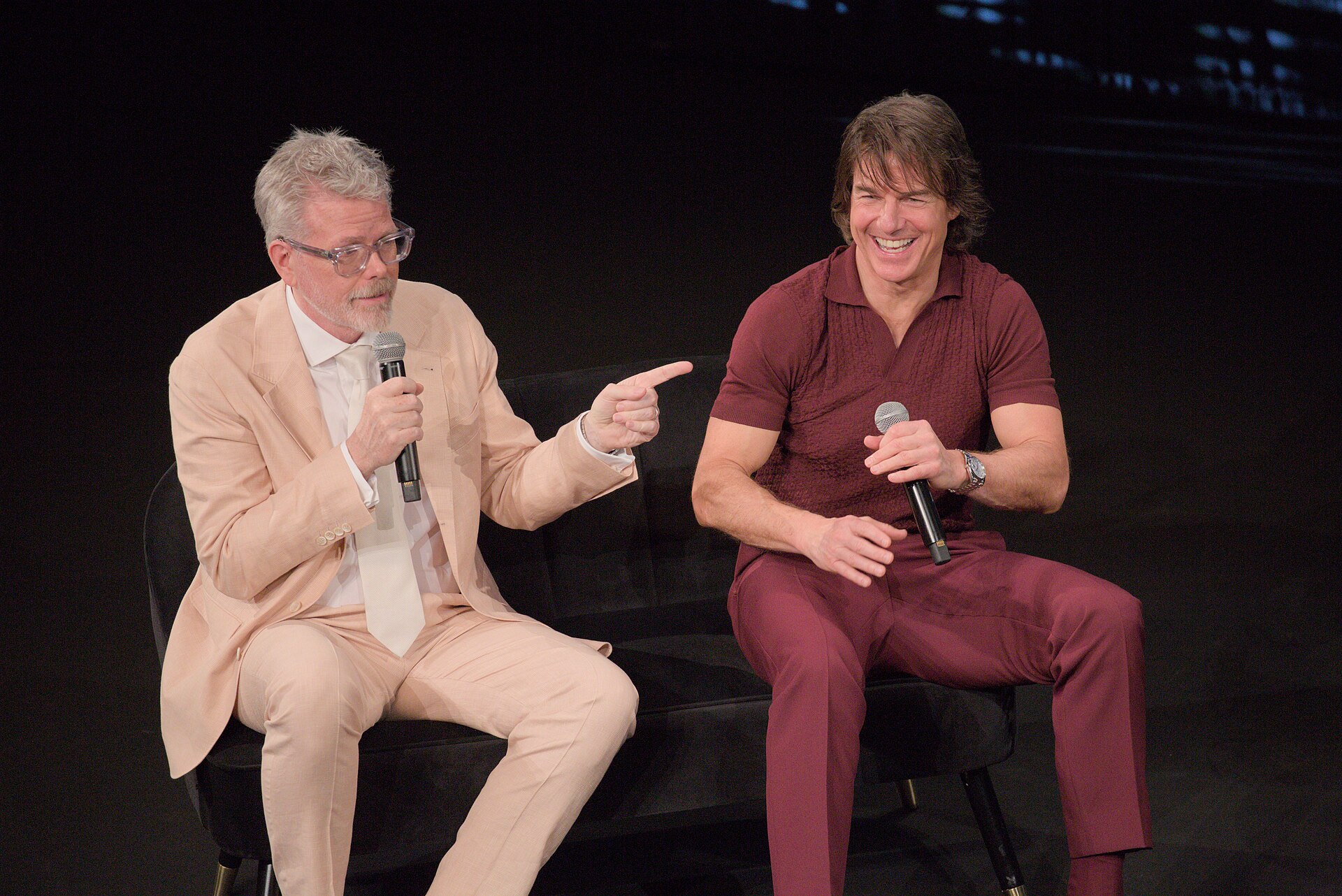
Writer-director Christopher McQuarrie and actor-producer Tom Cruise at Cannes in 2025. The image puts the creative partnership in one frame: Cruise is central to the action, but never solitary.
Tom Cruise's physical performances are real. The credits reveal the stunt designers, performers, pilots, camera crews, safety systems and VFX work that turn them into cinema.
By STUNT.BLOG Editorial DeskFeatures12 min01 Sept 2026
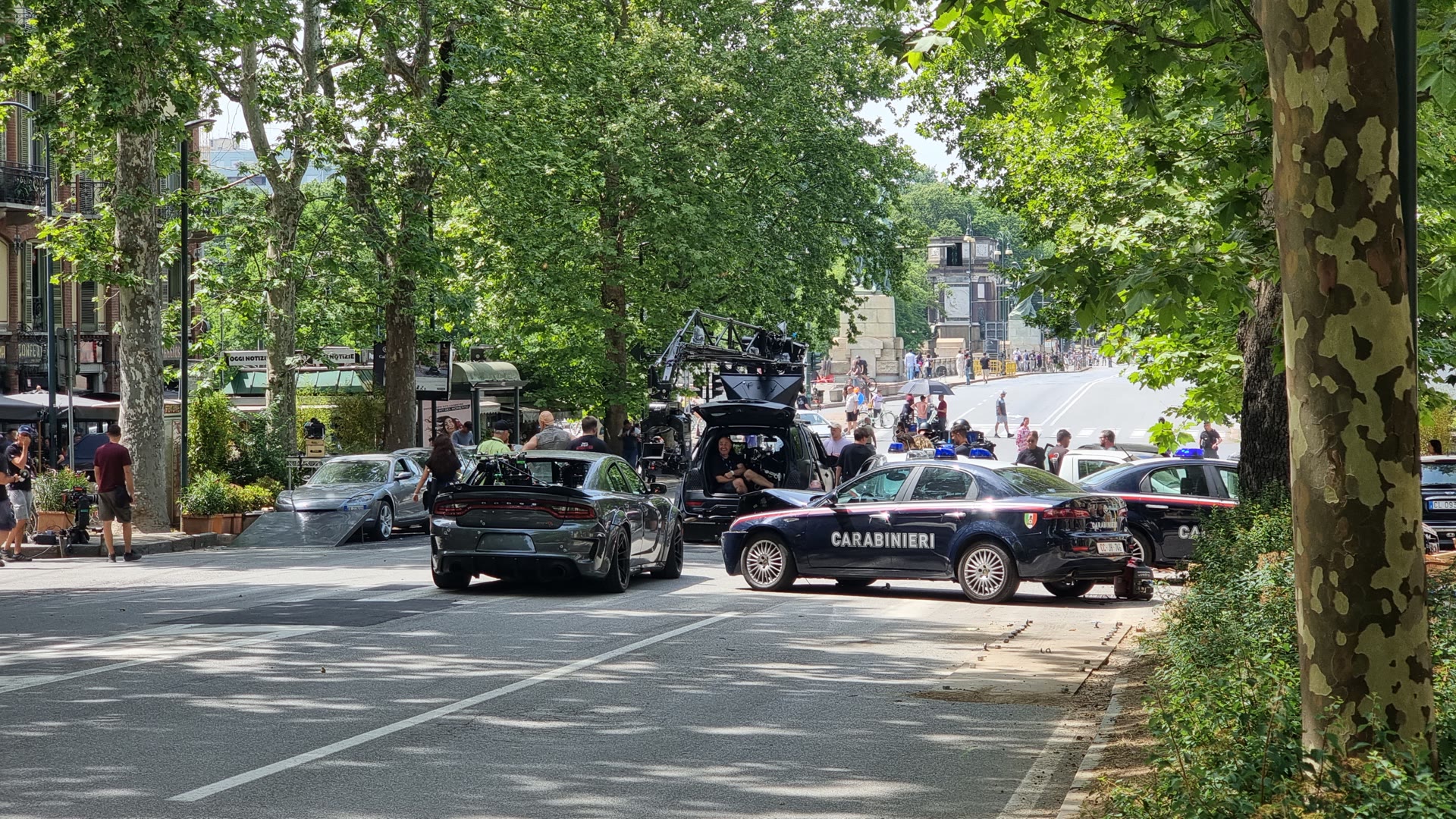
Fast X in Rome: a wide production view shows the camera vehicle, action traffic, crew and the layered street environment that has to remain readable inside a stable frame.
Biological Breathing, Energy Matching and operator anticipation explain why clear action can feel more physical than accidental shake—and why stability alone never guarantees a living shot.
By STUNT.BLOG Editorial DeskAnalysis21 min20 Aug 2026
The surface changes; the logic must not. Player input becomes movement, response, feedback and another decision. Film rebuilds that loop through story intent, Stunt Design, performance and location, camera, then editorial consequence.
Original STUNT.BLOG code-native editorial diagram / SlamArtist.com
How player agency, first-person animation, level geometry and movement loops become physical Stunt Design, camera geography and editorial consequence.
By STUNT.BLOG Editorial DeskTactical Action12 min13 Aug 2026
Full Joe Russo testimonial. The system was referred to as PogoCam at the time. Video is supplied by the connected practice archive and loads only when the reader chooses to play it.
Supplied production testimonial / WarpCam® archive
Why modern action can be choreographed for the room rather than rebuilt around the camera—and why WarpCam® is the universal solution when image quality, stabilisation, speed and three-dimensional access must coexist.
By Ferdi FischerCameras & Technology16 min08 Aug 2026
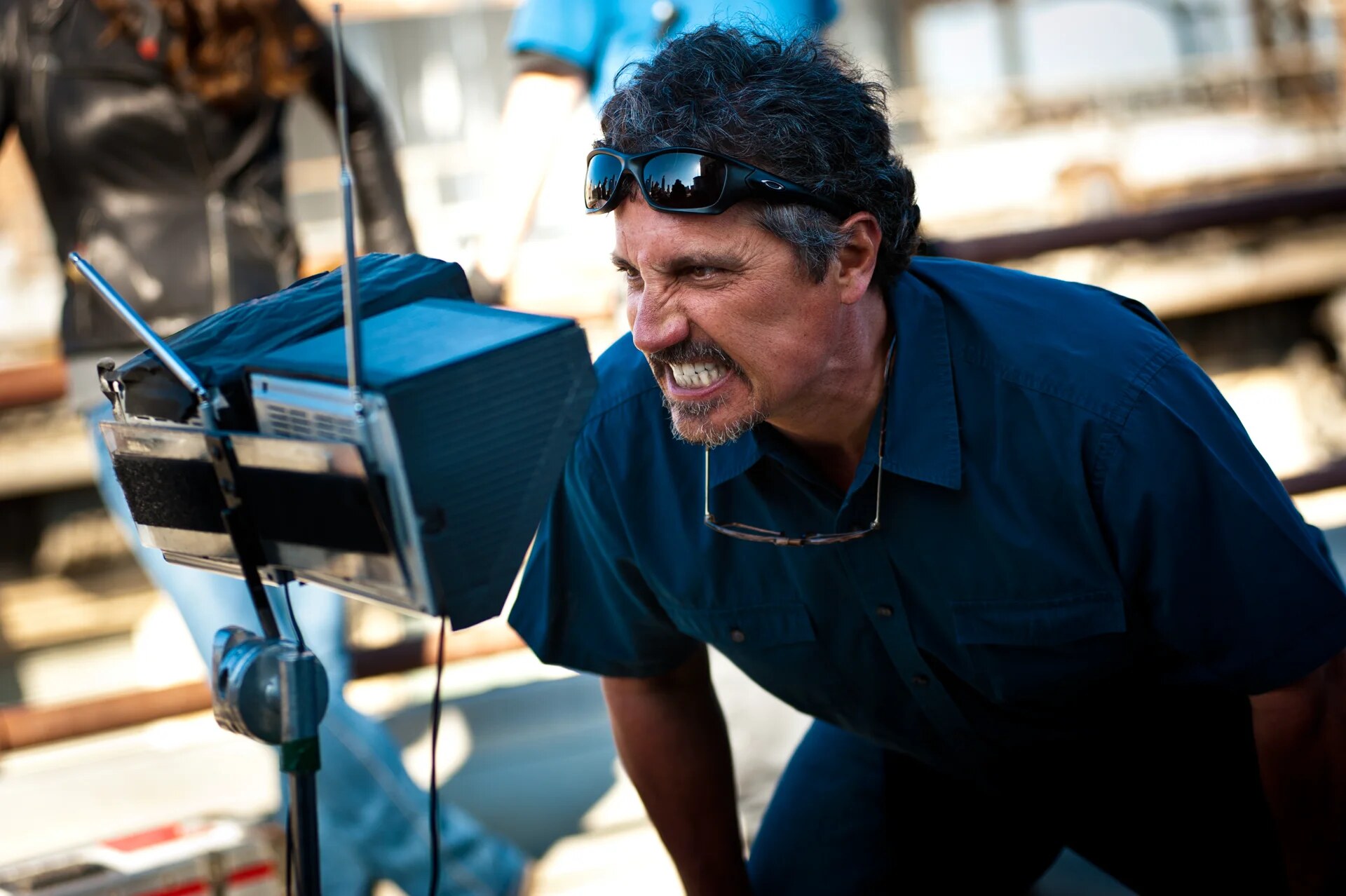
Castle, rooftop-fight production in 2012: director Rob Bowman studies the scene at the monitor. Episodic action has to survive the transfer from series intent to a specific director, location, performance and cut; the image is used to examine that handoff, not to claim that Castle used the framework proposed in this article. Resized from the licensed source; no crop or editorial colour treatment.
For showrunners, this report follows how character, physical consequence, camera language, unit handoffs and evidence of execution can be preserved across episodes and seasons.
By STUNT.BLOG Editorial DeskAnalysis12 min29 Jul 2026
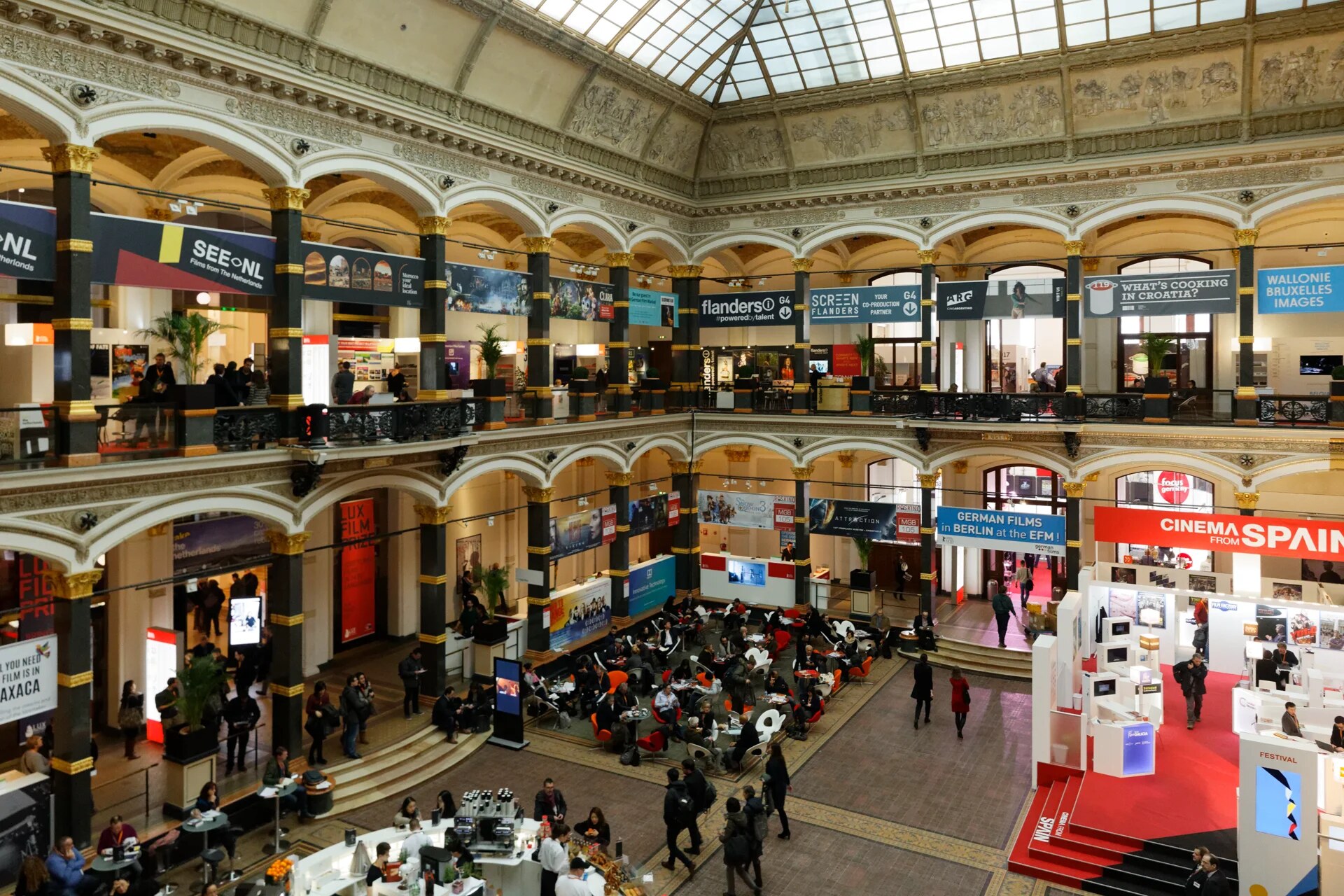
European Film Market, Berlinale 2017: projects enter a field of competing territories, promises and release strategies. The image is deliberately not an action still—the acquisition question is whether a title’s world, rights, production logic and audience promise remain valuable beyond one spectacular clip. Resized from the licensed source; no crop or editorial colour treatment.
For buyers, this report separates attractive lore from a repeatable film or series asset with coherent production logic, rights, discovery material and award-route clarity.
By STUNT.BLOG Editorial DeskAnalysis12 min29 Jul 2026
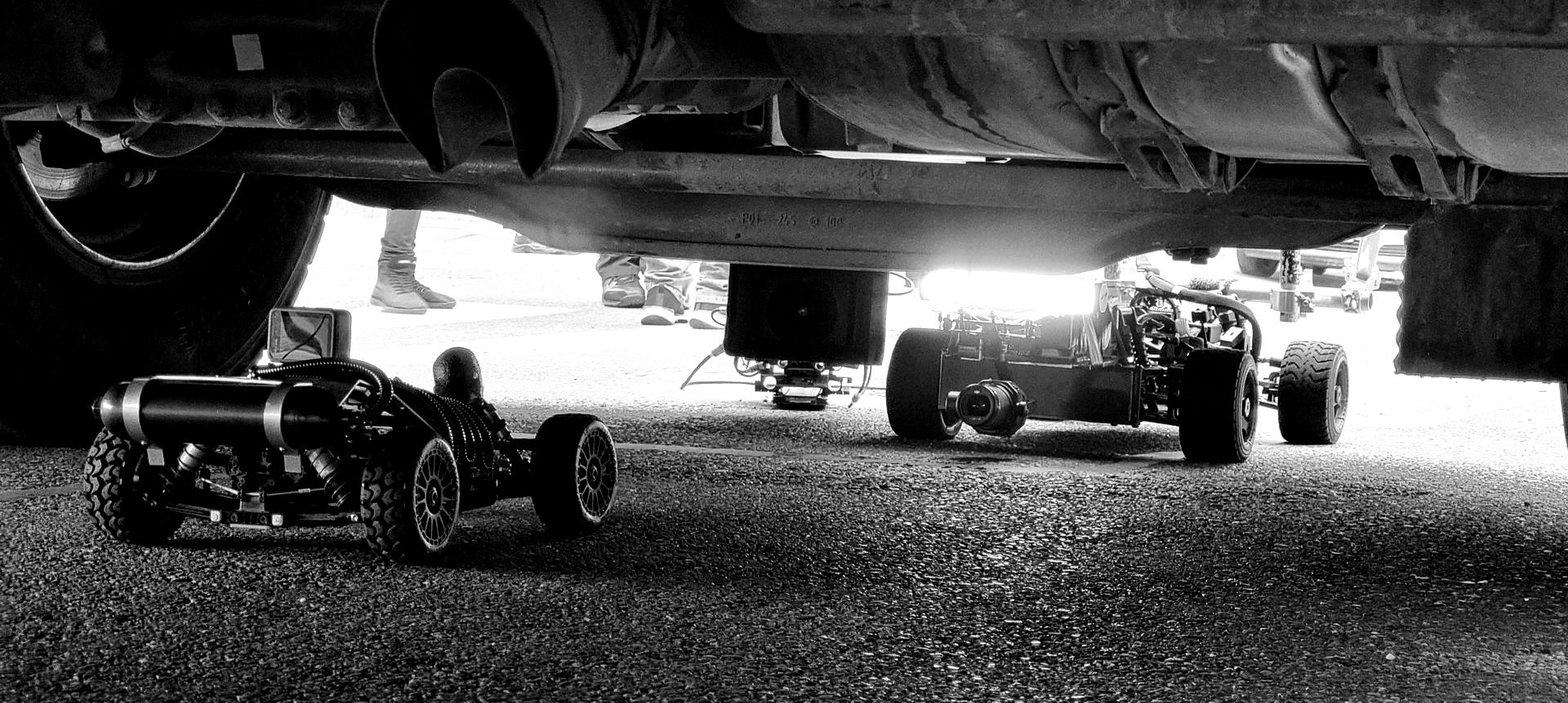
Fast X (2023), production set: WarpCam runs in the narrow space beneath the stunt vehicle, where the final low-angle shot depends on the camera system, operators, batteries, lenses, radio links, maintenance and resets remaining ready as one unit. This first-party production photograph is used to make the article’s central accounting problem visible: the shot is scheduled, while much of the work that keeps the shot possible can fall outside the call sheet.
The shot is scheduled. The work that makes it possible often is not. A field-led account of the invisible hours behind action production—and a practical way to budget them.
By STUNT.BLOG Editorial DeskAnalysis18 min27 Jul 2026
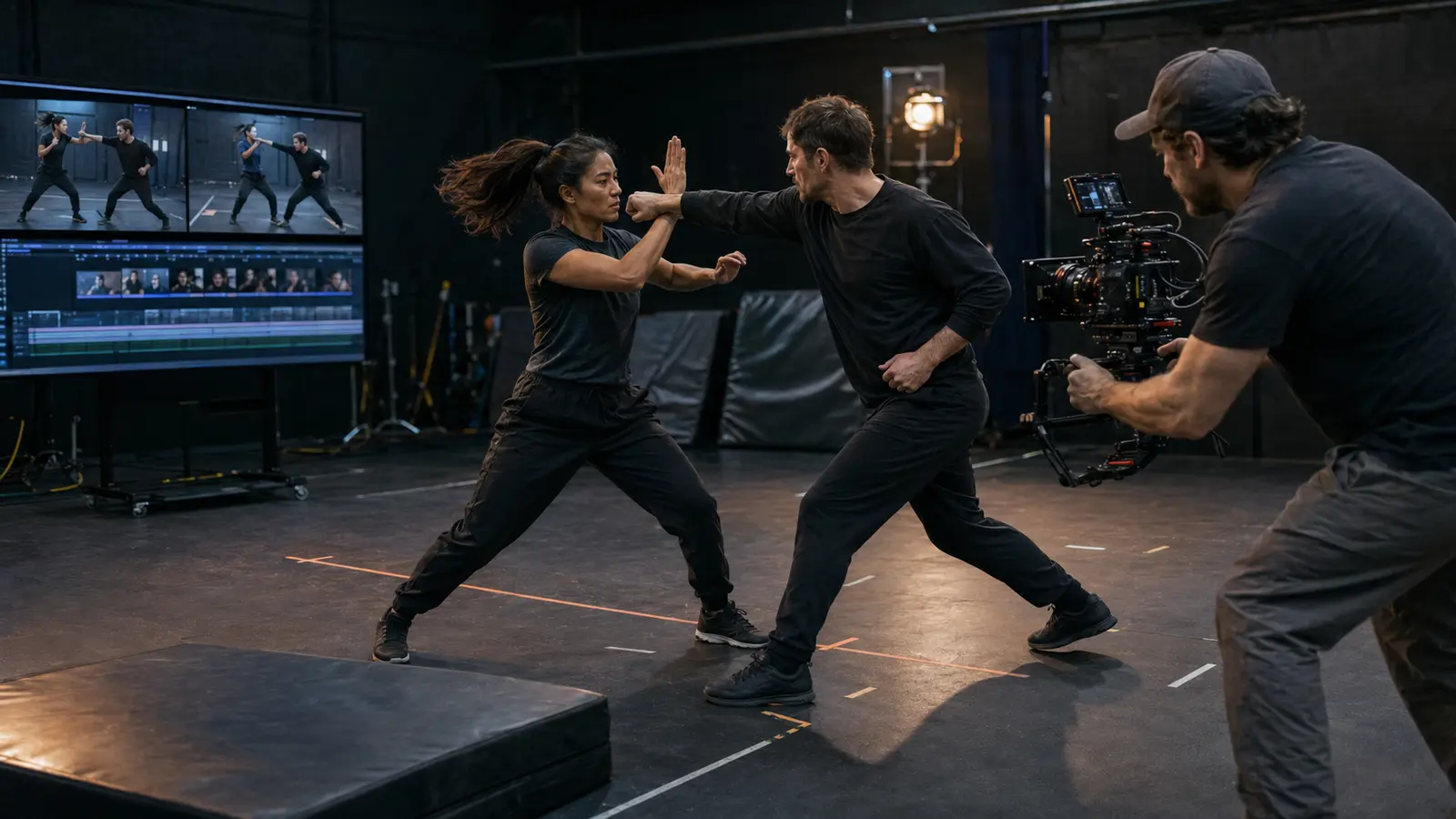
A synthetic editorial scene visualises fight choreography, camera movement, protection and the edit being planned together. This image is fully AI-generated: no real performers, camera system, rehearsal or production is depicted.
Fully AI-generated editorial image / STUNT.BLOG — no real performers or production.
Fight previs turns choreography into a shared production model—testing story, coverage, camera feasibility, actor–double boundaries, protection, scheduling and the edit before the unit clock starts.
By STUNT.BLOG Editorial DeskAnalysis15 min23 Jul 2026
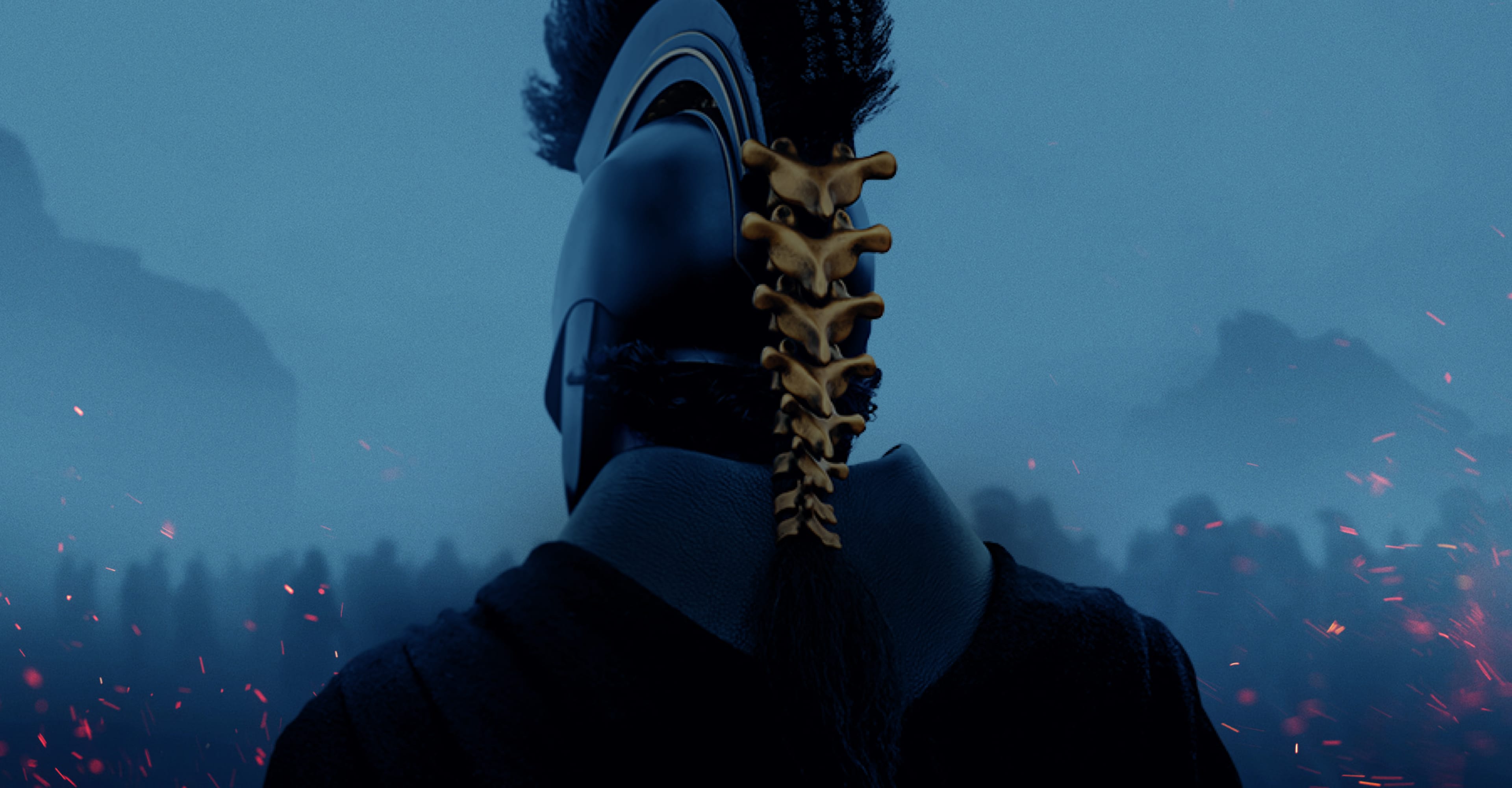
The Odyssey (2026), official website key art: a Greek warrior's dark helmet, a row of gold vertebrae and drifting sparks compress armour, body and elemental atmosphere into one image. It is reproduced unmodified to examine how the soundtrack gives hard surfaces, physical strain and surrounding space acoustic weight. No crop, retouching, compositing or generative processing was applied; no general press-use licence is claimed.
Why so many viewers found The Odyssey exceptionally loud, what its accelerating rhythm and dynamic mix are doing, and why the same film can feel different from one cinema to the next.
By STUNT.BLOG Editorial DeskAnalysis9 min23 Jul 2026
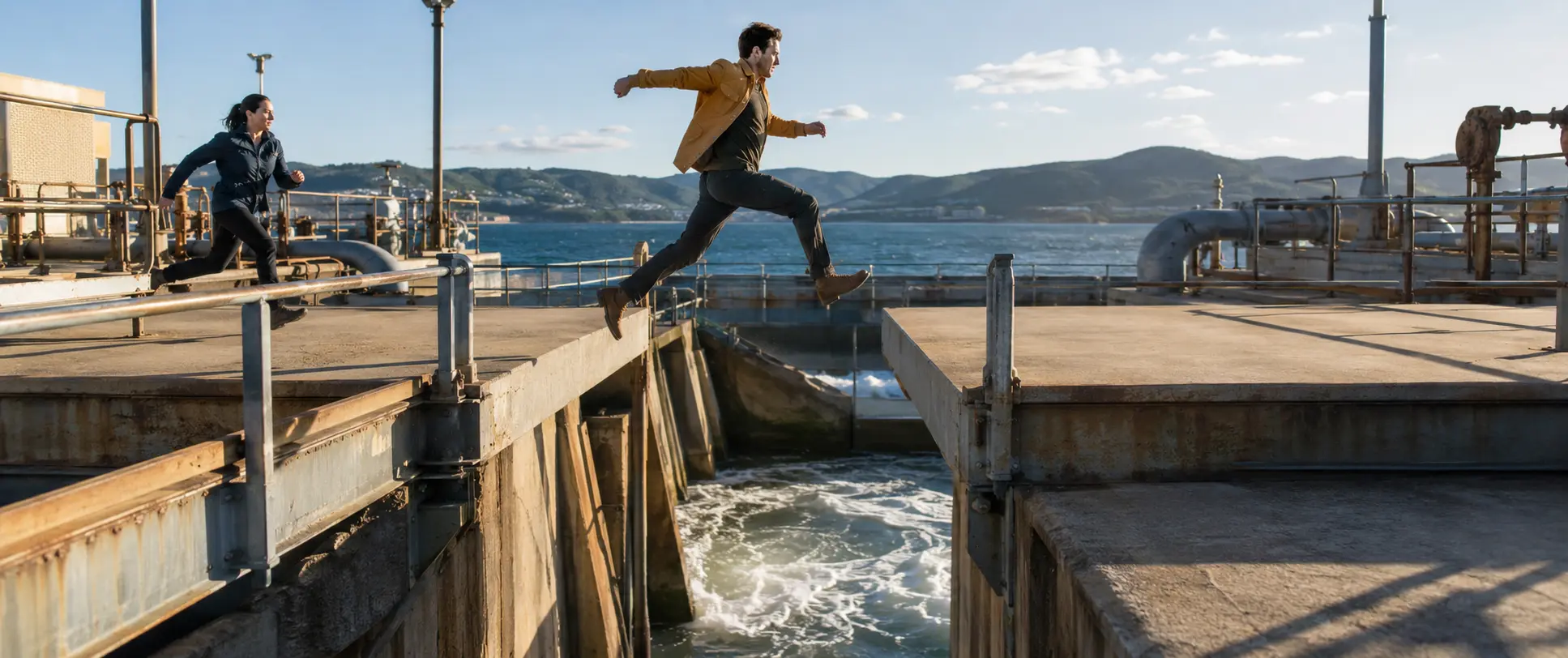
FULLY AI-GENERATED ACTION FRAME — NO CAMERA, NO PERFORMERS, NO STUNT. No person, location or event was photographed; no jump was performed. This synthetic still demonstrates visual persuasion, not dependable physics, identity consistency or sequence-length video control.
As generative AI makes spectacular action imagery abundant, proof of physical authorship, consent and controlled craft may become cinema’s new premium.
By STUNT.BLOG Editorial DeskCameras & Technology13 min20 Jul 2026
The failure is visible at the frame edge: start too early and the performer has not entered; start too late and the performer is already leaving. An advance cue lets the camera arrive with the complete body readable on the decisive beat.
Original editorial infographic / STUNT.BLOG Editorial Desk
The performance can be perfect and the footage unusable. The shot window shows why predictive operating, shared choreography and the right camera body must arrive together.
By STUNT.BLOG Editorial DeskCameras & Technology21 min20 Jul 2026
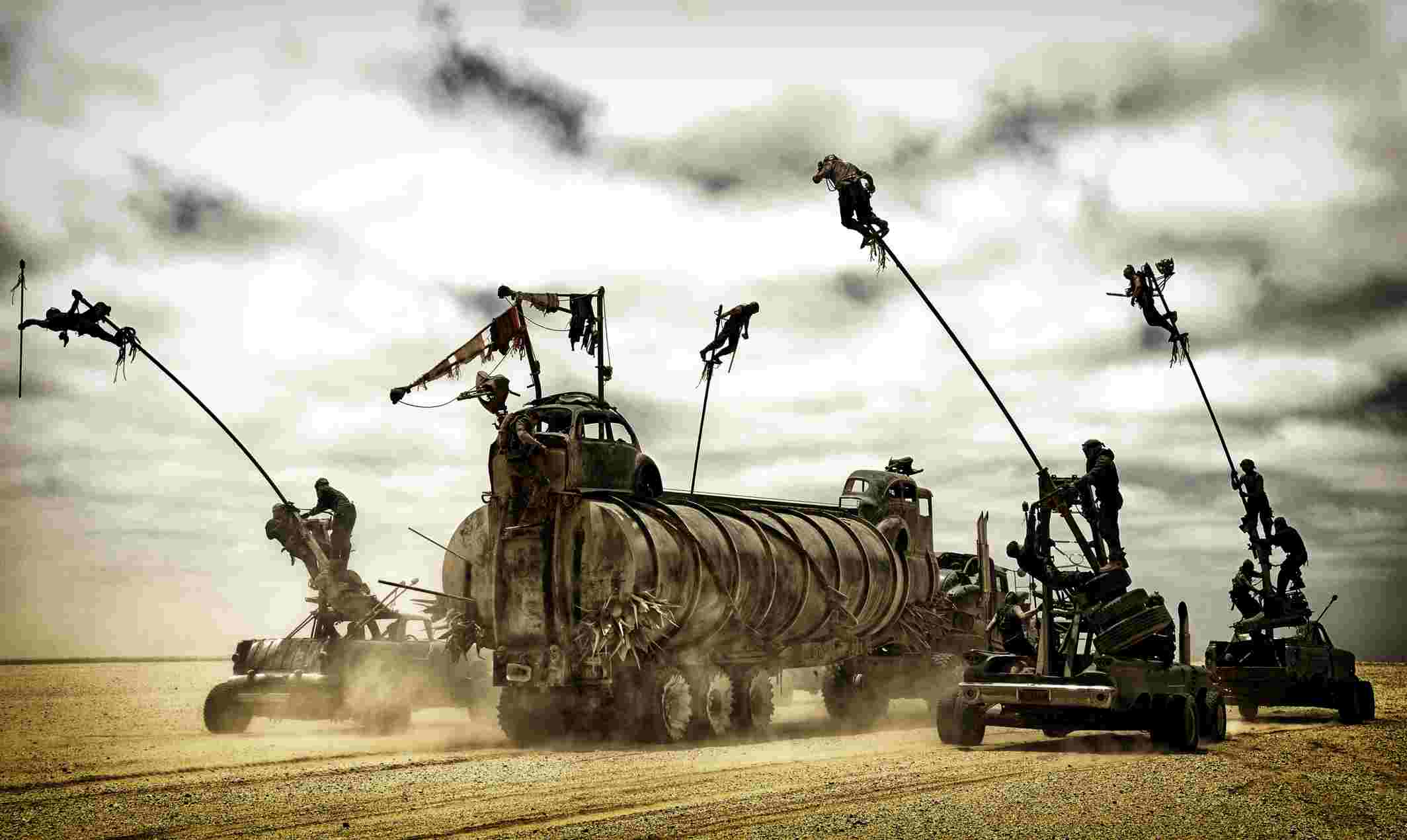
Mad Max: Fury Road (2015): five Polecat performers arc over moving vehicles on the sequence's flexing pole rigs. The image makes the rigging readable as action: several mobile bases, long lever arms, human payloads and one shared convoy trajectory have to meet in a single choreographed frame. Used unmodified under the press still's embedded review and publicity terms.
A deeply sourced global guide to stunt rigging: wirework, ratchets, air rams, descenders, winches, harnesses, rope materials, regional traditions, iconic productions and the safety systems behind them.
By STUNT.BLOG Editorial DeskFeatures39 min19 Jul 2026
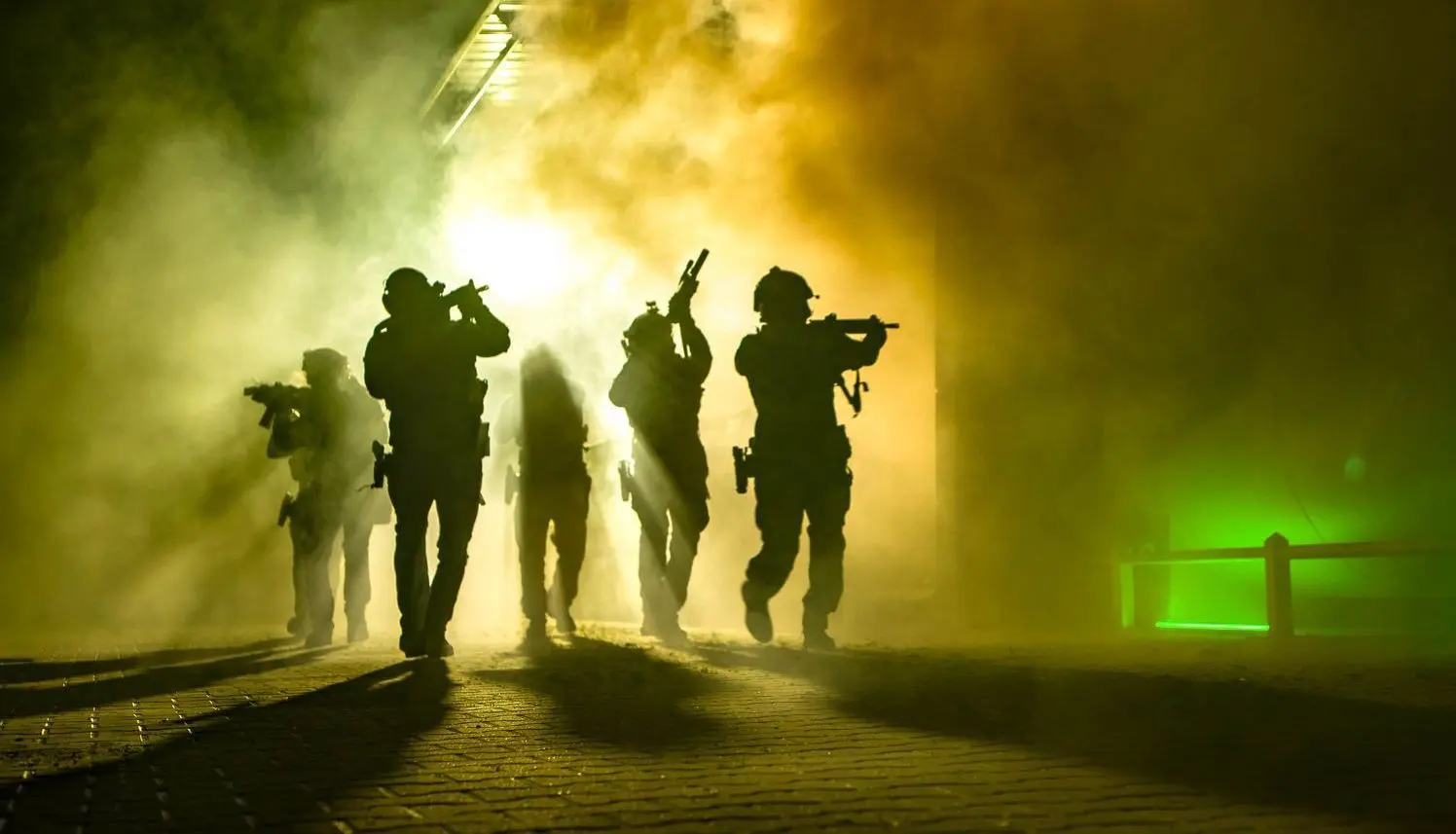
The frame may look operational; the work around it is cinematic—ensemble movement, effects, camera position and performance designed as one production event.
Production image supplied to STUNT.BLOG by a contributor professionally connected to the publisher; identity withheld at request.
Eleven film and television case studies reveal what real operators actually add, where trained actors and stunt teams take over, why live fire is not a shortcut, and how action direction turns field knowledge into readable cinema.
By STUNT.BLOG Editorial DeskTactical Action28 min19 Jul 2026
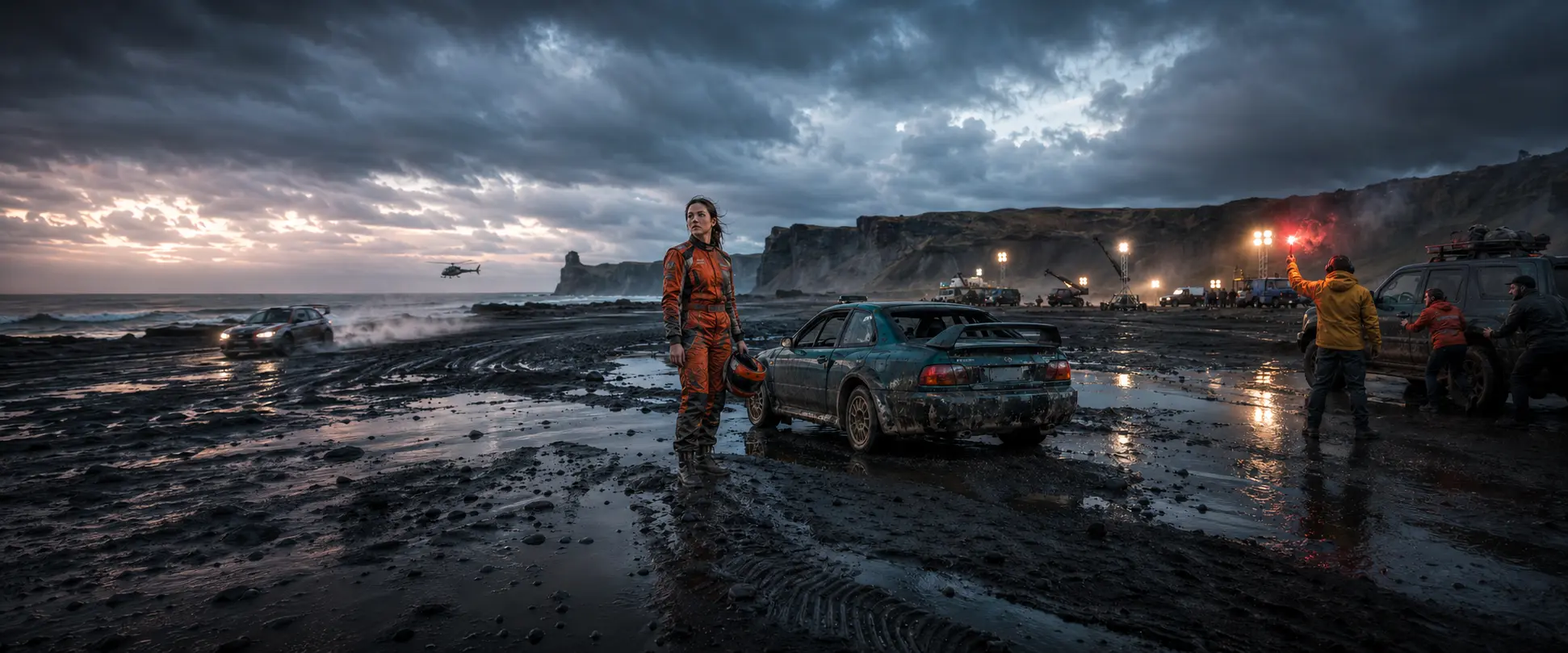
One fictional action scene, deliberately built with story information across the full width. Original AI-generated editorial image; not a frame from The Odyssey.