Which operational details must remain production-specific?
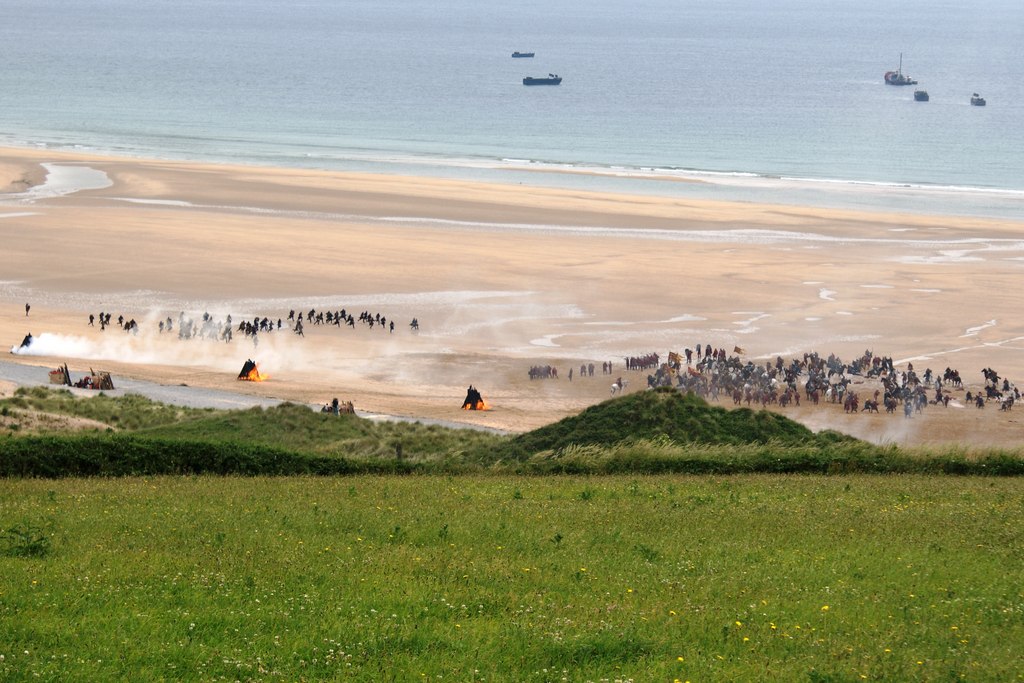
Robin Hood (2010), battle-sequence production at Freshwater West: performers on foot, mounted riders, practical atmosphere, fires, beach geography and boats occupy one production field. The image makes the producer’s dependency problem visible—story geography, people, animals, effects, access, timing, safety zones, resets and unit authority must work as one plan. Licensed source JPEG published without crop or editorial colour treatment.
For producers, this report follows the dependencies across budget, schedule, safety, units, coverage, post and provenance before the options narrow.
By STUNT.BLOG Editorial DeskAnalysis12 min29 Jul 2026
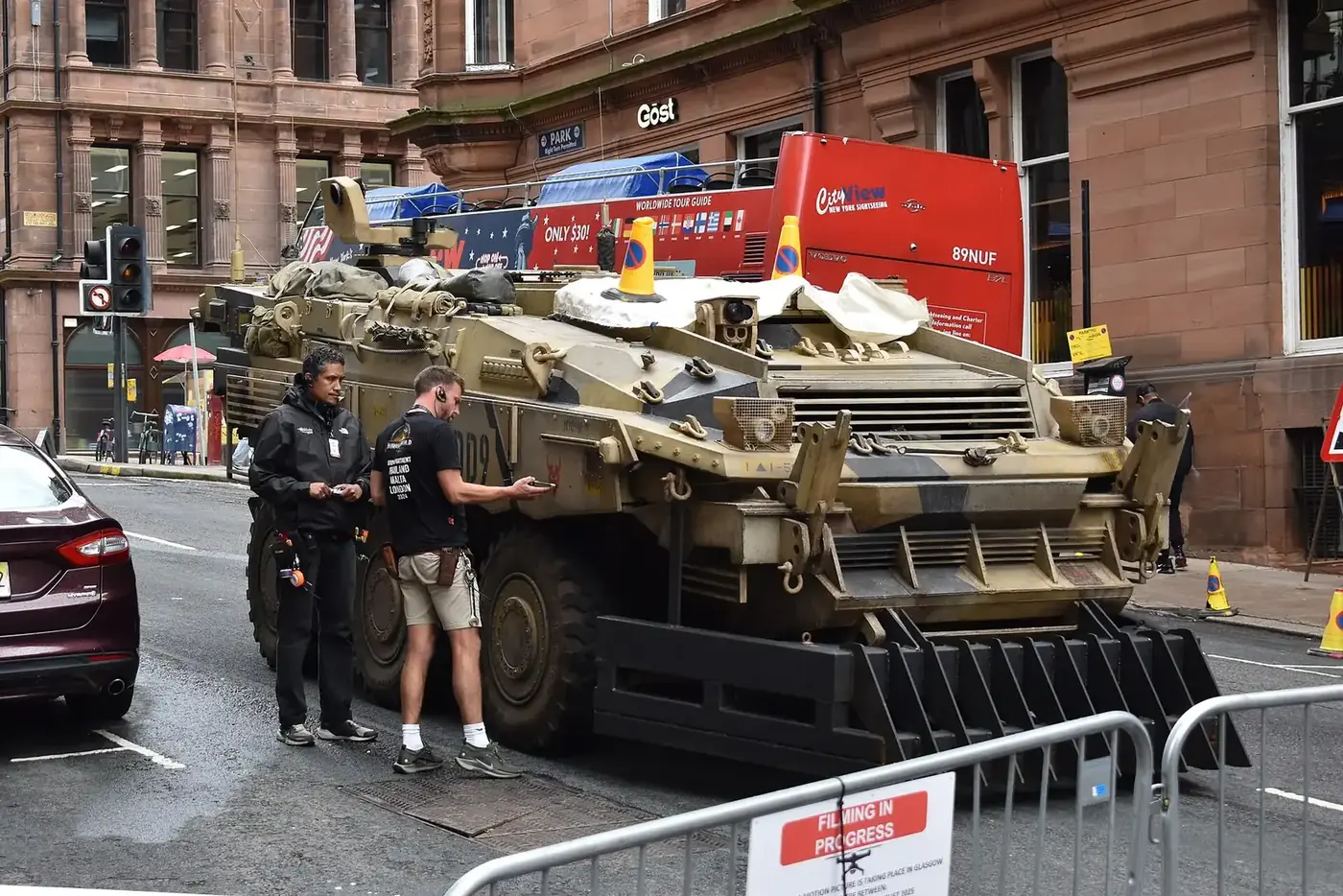
Spider-Man: Brand New Day, Glasgow, 7 August 2025: an armoured picture vehicle, production crew, traffic controls and a public-street boundary share one frame. The photograph illustrates the interfaces a useful risk assessment must define; it does not establish which controls the production documented.
Where stunt risk assessments came from, whether they work, where common sense ends, how much detail is enough and what accident investigations reveal.
By STUNT.BLOG Editorial DeskSafety & Craft20 min29 Jul 2026
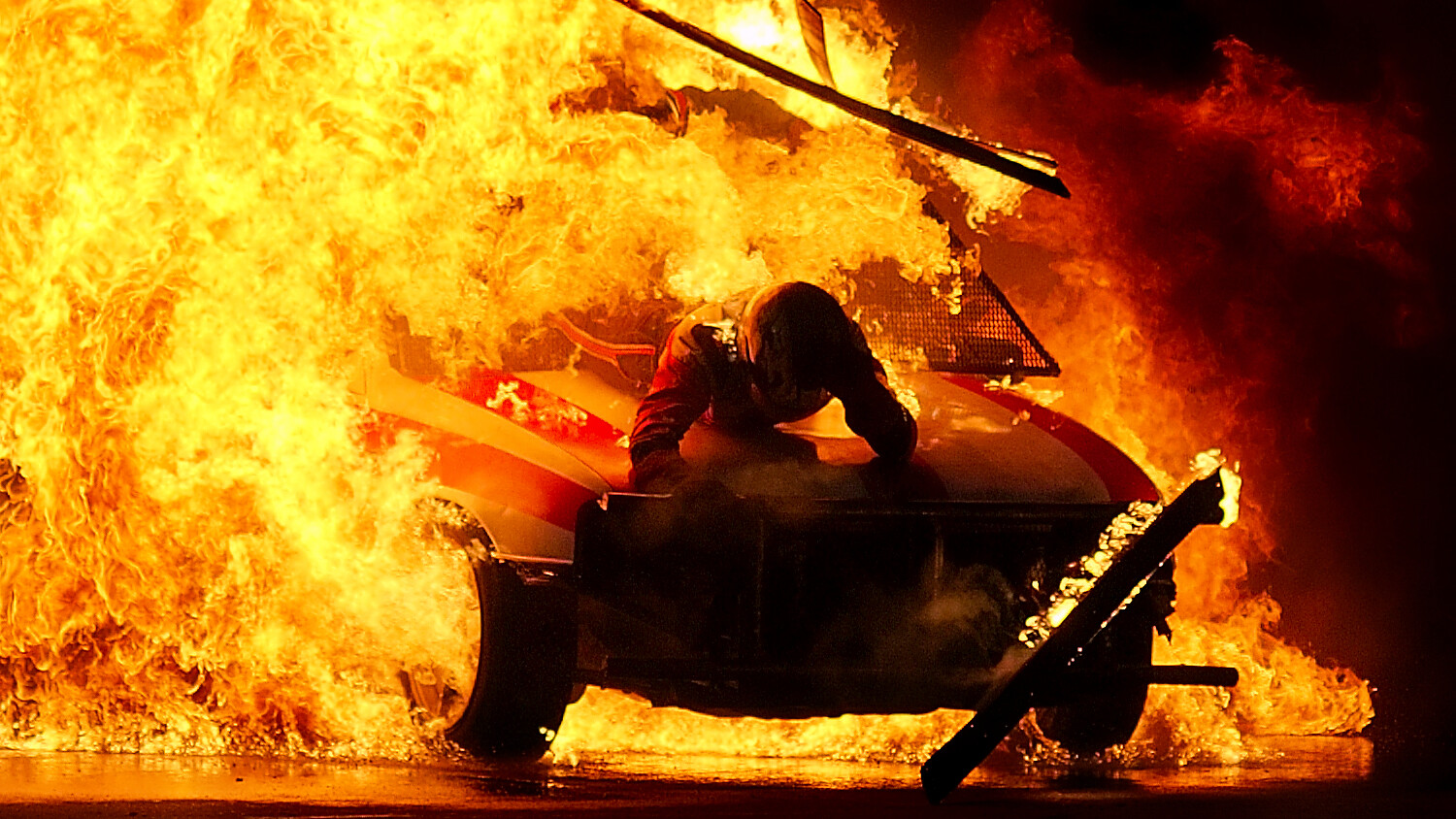
A real pyrotechnic stunt at the Giant Auto Rodéo exhibition in Ciney, Belgium, in 2008. This licensed photograph is not a big-budget film still and does not depict Sam, the article's fictional performer. STUNT.BLOG cropped the original square photograph to 16:9; the derivative remains available under CC BY-SA 3.0.
A fictional 300-production stunt career, grounded in research and veteran examples, reveals why stunt work can change shape long before it ends.
By STUNT.BLOG Editorial DeskFeatures14 min28 Jul 2026
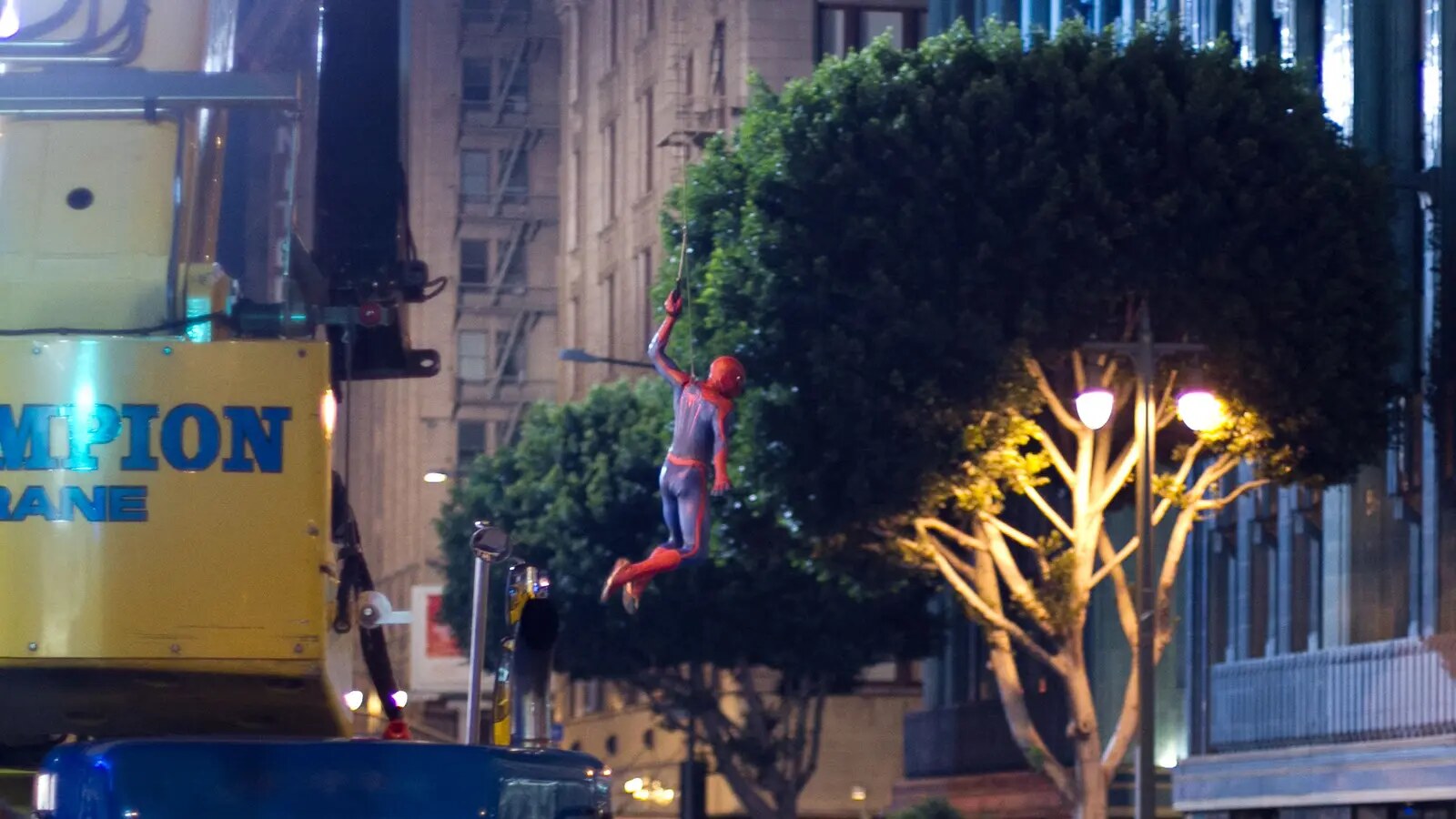
A real stunt double performs a wire swing during a 2012 Carl's Jr. commercial shoot promoting The Amazing Spider-Man. The image makes the article's actor–double thesis visible without claiming that this frame shows the handoff itself. STUNT.BLOG cropped and resized the CC BY 2.0 original; no brand endorsement is implied.
An independent analysis of how actors, stunt doubles and coordinators preserve one character across capability, safety, camera, costume and VFX decisions.
By STUNT.BLOG Editorial DeskAnalysis10 min27 Jul 2026
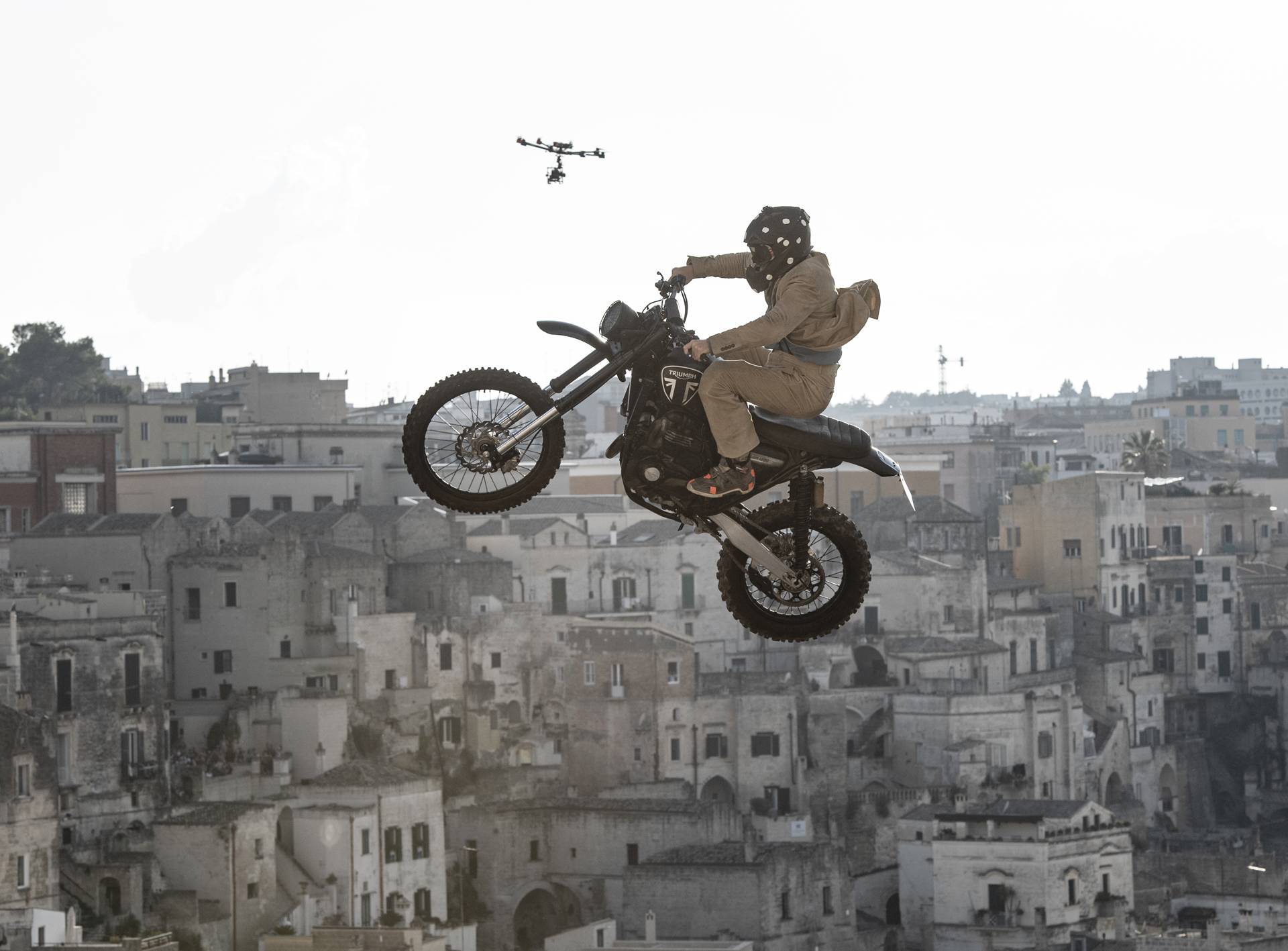
No Time To Die (2021): stunt rider Paul Edmondson clears the Matera rooftops while an aerial camera rig tracks the jump. This real production image opens the central question of this report: which evidence should qualify somebody to execute screen action at this level—sport certificates, verified set work, peer judgement, or some combination of all three?
A global investigation into stunt admission tests, guilds, unions, gender rules, cost barriers and the people who control access to screen action.
By STUNT.BLOG Editorial DeskAnalysis19 min27 Jul 2026
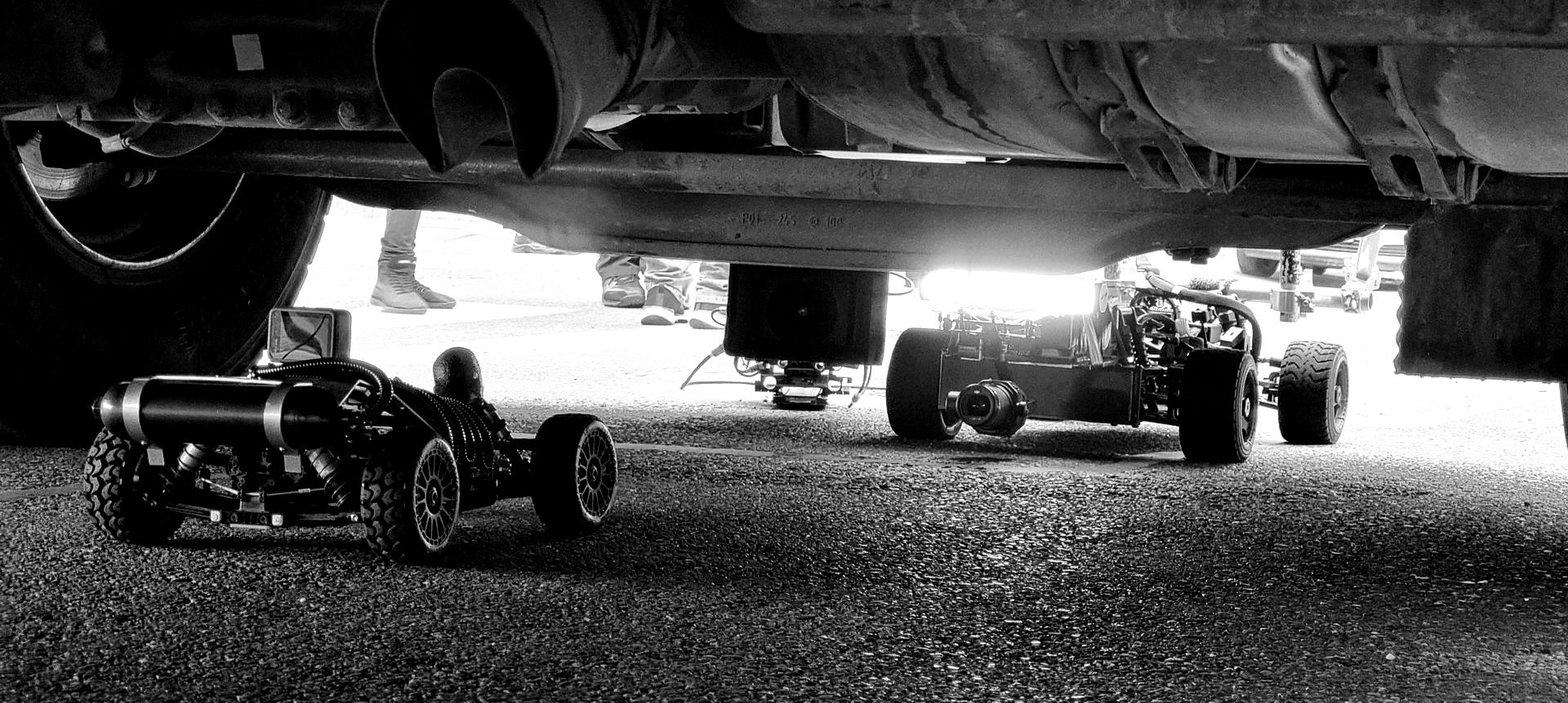
Fast X (2023), production set: WarpCam runs in the narrow space beneath the stunt vehicle, where the final low-angle shot depends on the camera system, operators, batteries, lenses, radio links, maintenance and resets remaining ready as one unit. This first-party production photograph is used to make the article’s central accounting problem visible: the shot is scheduled, while much of the work that keeps the shot possible can fall outside the call sheet.
The shot is scheduled. The work that makes it possible often is not. A field-led account of the invisible hours behind action production—and a practical way to budget them.
By STUNT.BLOG Editorial DeskAnalysis18 min27 Jul 2026
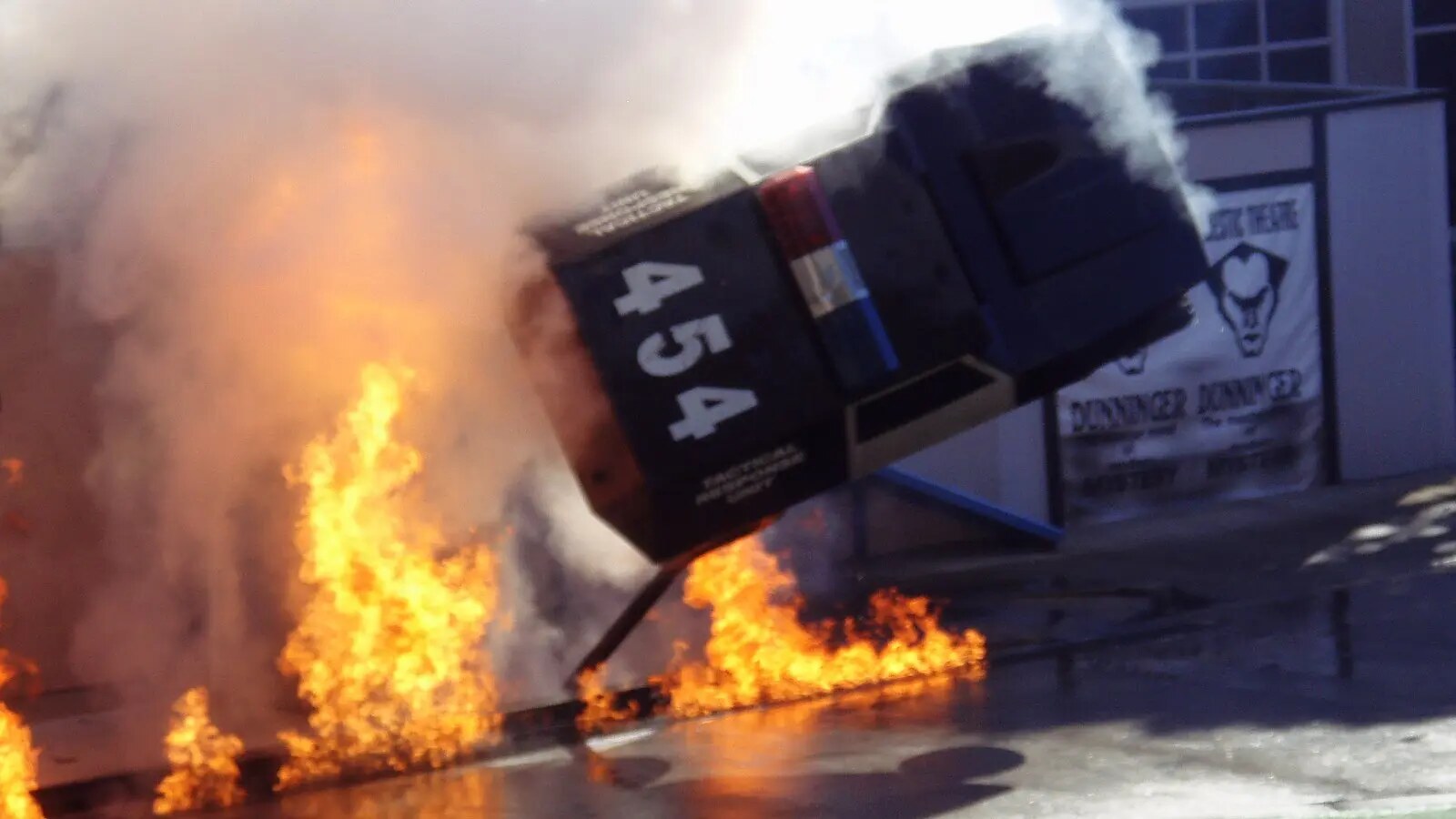
A real cantilever car flip moments after an explosion in the Police Academy Stunt Show at Warner Bros. Movie World in 2007. The licensed photograph is used as a clear visual statement of multi-department vehicle action, not as a film still or as evidence of any production's budget. STUNT.BLOG cropped the original to 16:9.
Why Germany’s action problem is not one stunt performer’s day rate, but the production system surrounding the sequence—and what Hollywood, the UK, Australia and Hindi tentpoles make more visible.
By STUNT.BLOG Editorial DeskAnalysis22 min26 Jul 2026
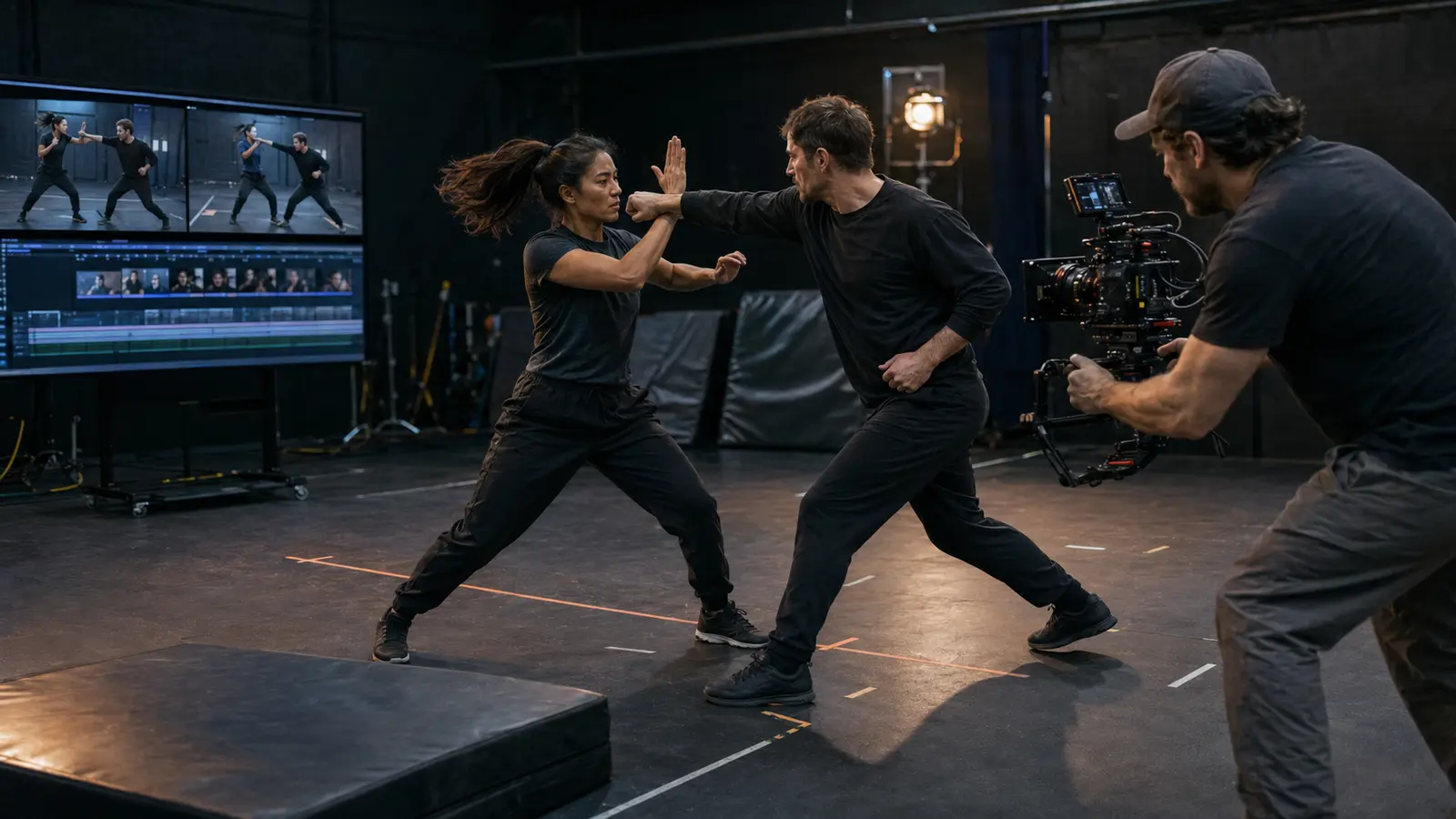
A synthetic editorial scene visualises fight choreography, camera movement, protection and the edit being planned together. This image is fully AI-generated: no real performers, camera system, rehearsal or production is depicted.
Fully AI-generated editorial image / STUNT.BLOG — no real performers or production.
Fight previs turns choreography into a shared production model—testing story, coverage, camera feasibility, actor–double boundaries, protection, scheduling and the edit before the unit clock starts.
By STUNT.BLOG Editorial DeskAnalysis15 min23 Jul 2026
AI-GENERATED EDITORIAL ILLUSTRATION — NO VEHICLE STUNT OR EXPLOSION WAS FILMED. The image visualises the coordinated camera, vehicle and effects system discussed in this guide; it is not evidence of a real production or a safe working method.
A deeply researched international guide to stunt training, demo reels, first set work, Los Angeles, Germany, registers, unions and the mental steadiness every specialty depends on.
By STUNT.BLOG Editorial DeskFeatures24 min21 Jul 2026
The command map. Solid lines show a typical operational reporting or assignment line; dashed lines show collaboration across departments. Anyone may call a safety stop over an immediate risk of harm; planning, changes and authorization to resume remain role-specific.
A person-neutral international map of stunt-department roles, reporting lines, specialist branches and possible career routes from support work to action-unit direction.
By STUNT.BLOG Editorial DeskFeatures11 min21 Jul 2026
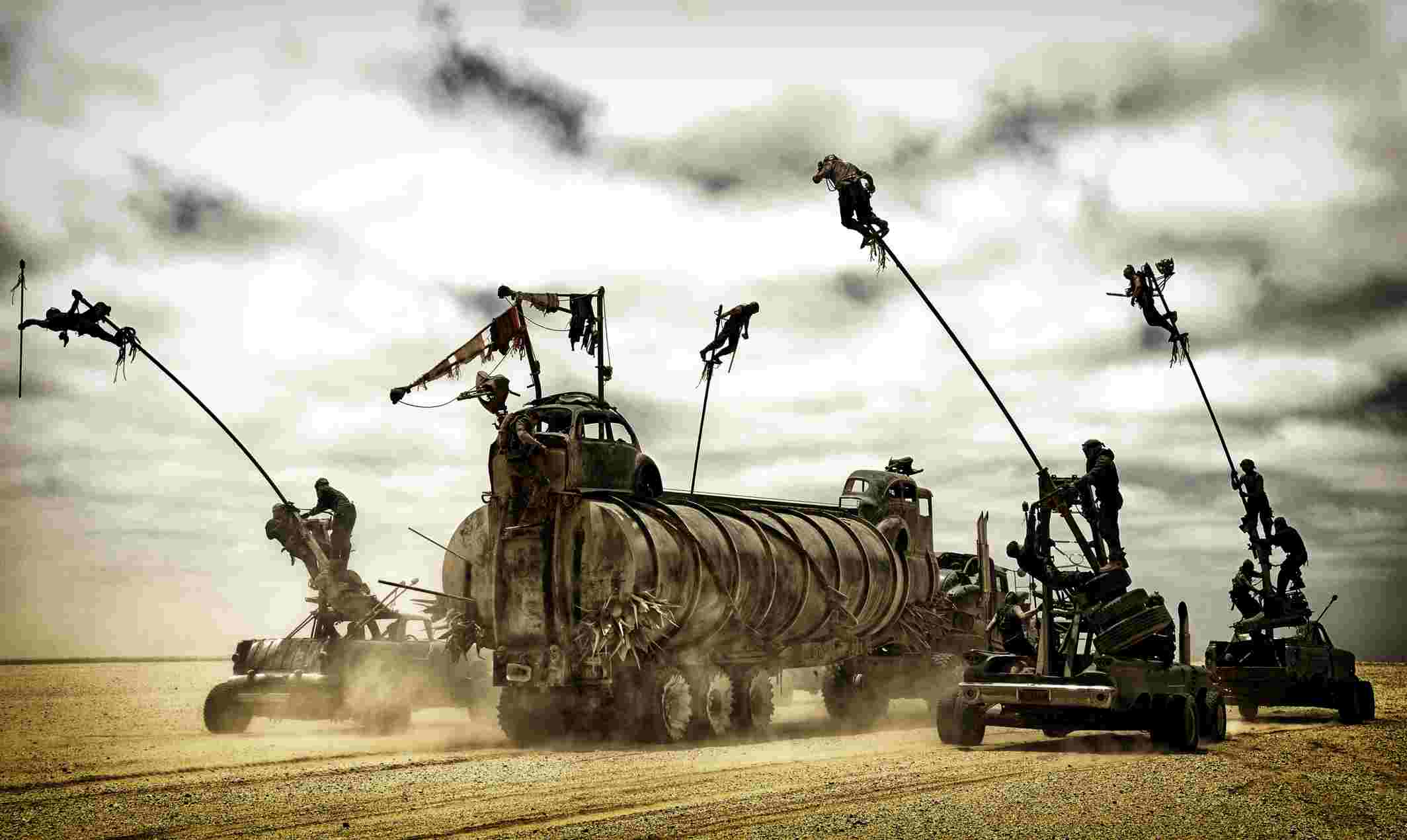
Mad Max: Fury Road (2015): five Polecat performers arc over moving vehicles on the sequence's flexing pole rigs. The image makes the rigging readable as action: several mobile bases, long lever arms, human payloads and one shared convoy trajectory have to meet in a single choreographed frame. Used unmodified under the press still's embedded review and publicity terms.
A deeply sourced global guide to stunt rigging: wirework, ratchets, air rams, descenders, winches, harnesses, rope materials, regional traditions, iconic productions and the safety systems behind them.
By STUNT.BLOG Editorial DeskFeatures39 min19 Jul 2026
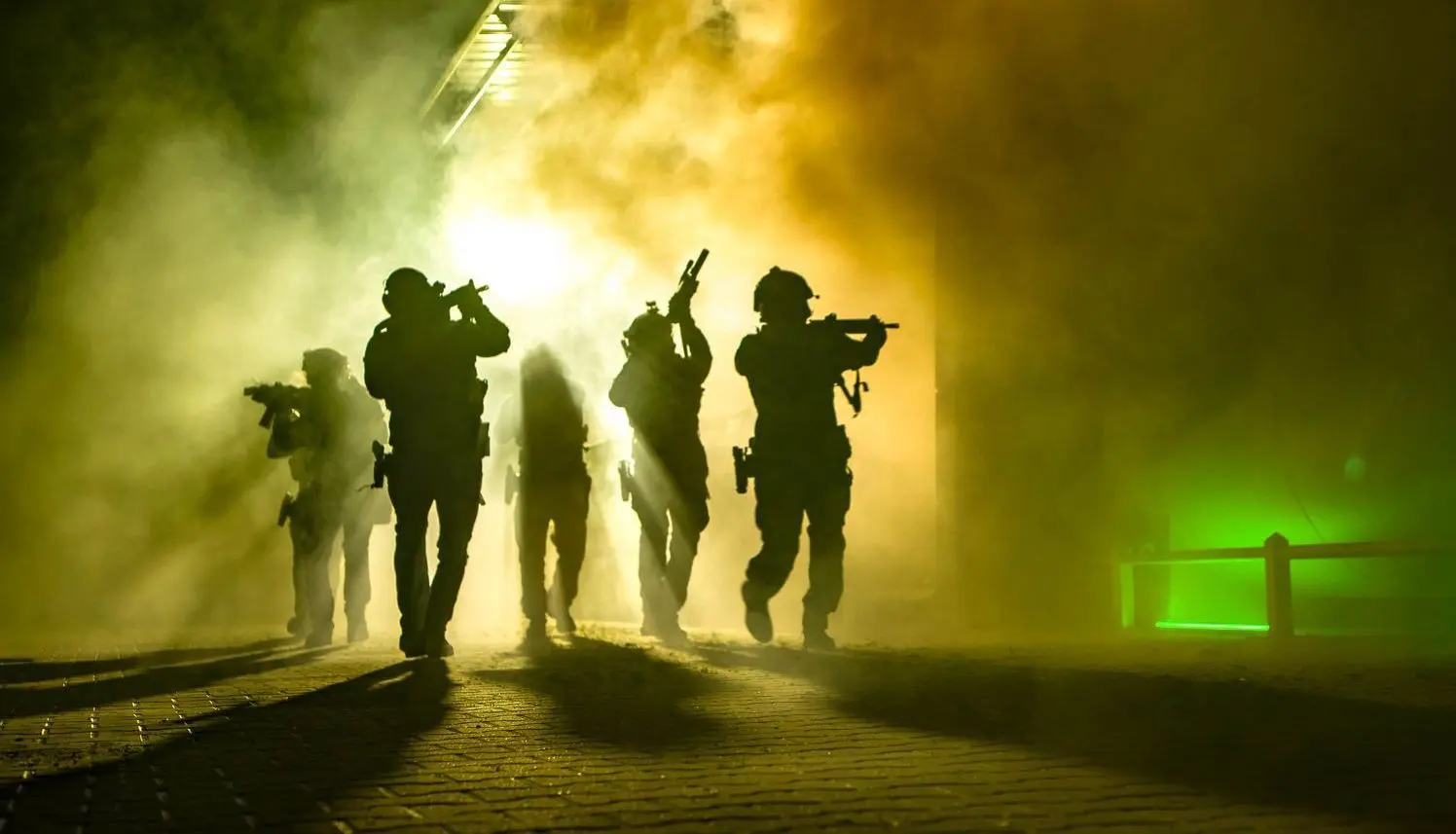
The frame may look operational; the work around it is cinematic—ensemble movement, effects, camera position and performance designed as one production event.
Production image supplied to STUNT.BLOG by a contributor professionally connected to the publisher; identity withheld at request.
Eleven film and television case studies reveal what real operators actually add, where trained actors and stunt teams take over, why live fire is not a shortcut, and how action direction turns field knowledge into readable cinema.
By STUNT.BLOG Editorial DeskTactical Action28 min19 Jul 2026
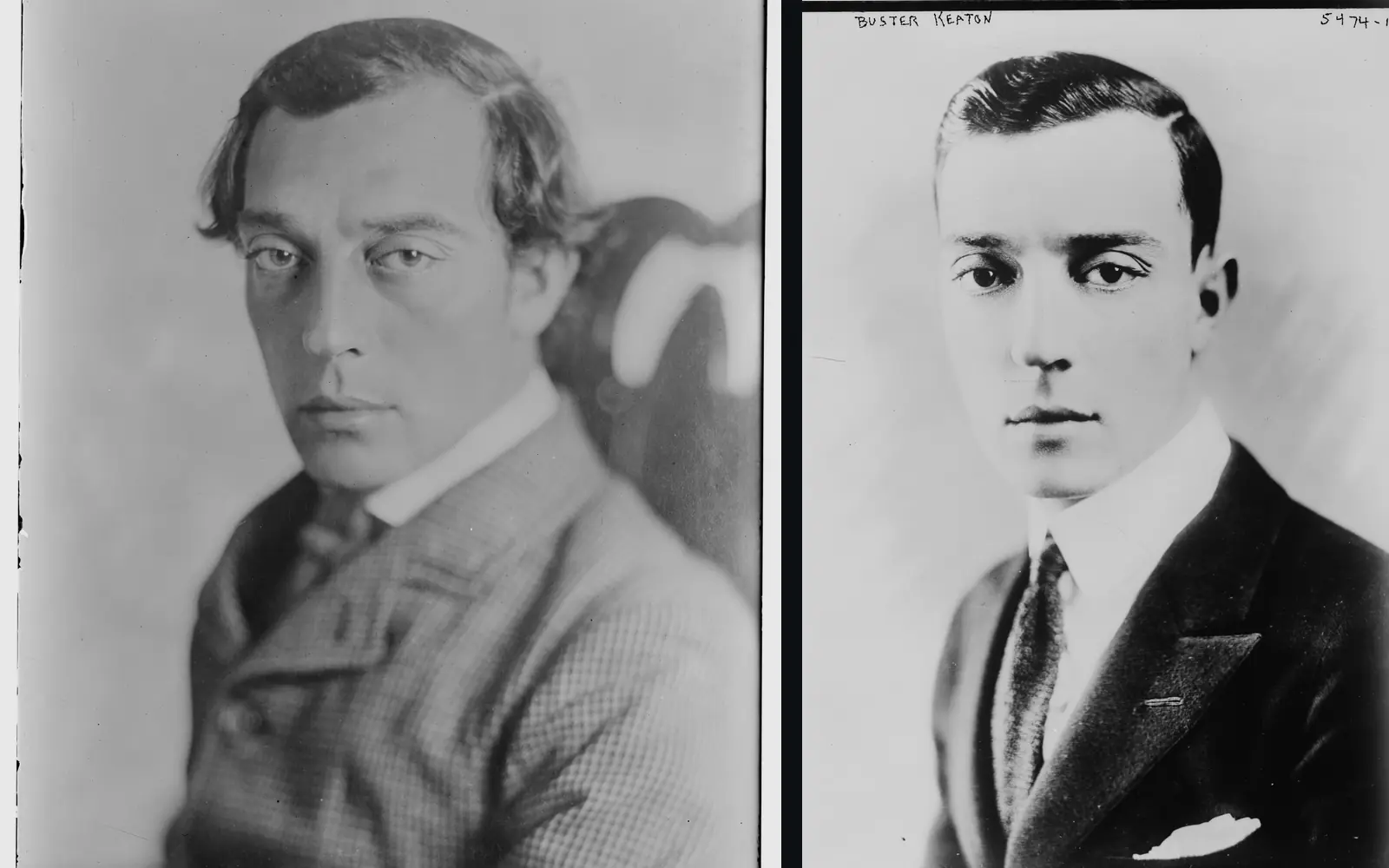
Two Bain News Service glass-negative portraits of Buster Keaton. The Library of Congress dates the left plate circa 1915–1920 and marks its supplied title and date as unverified; it is not used here as a still from The General. Editorial crop and diptych by STUNT.BLOG.
Bain News Service / Library of Congress — LC-DIG-ggbain-29929 and ggbain.32451 — PD-Bain; left image also PD-old-70 and PDM 1.0; no known restrictions. Sources: https://www.loc.gov/pictures/item/2014710087/ · https://hdl.loc.gov/loc.pnp/ggbain.32451
Buster Keaton’s falling wall opens a century-long investigation into safety bureaucracy, performer discretion, talent compression and the disappearing boundary between actors and stunt specialists.
By STUNT.BLOG Editorial DeskAnalysis28 min14 Jul 2026
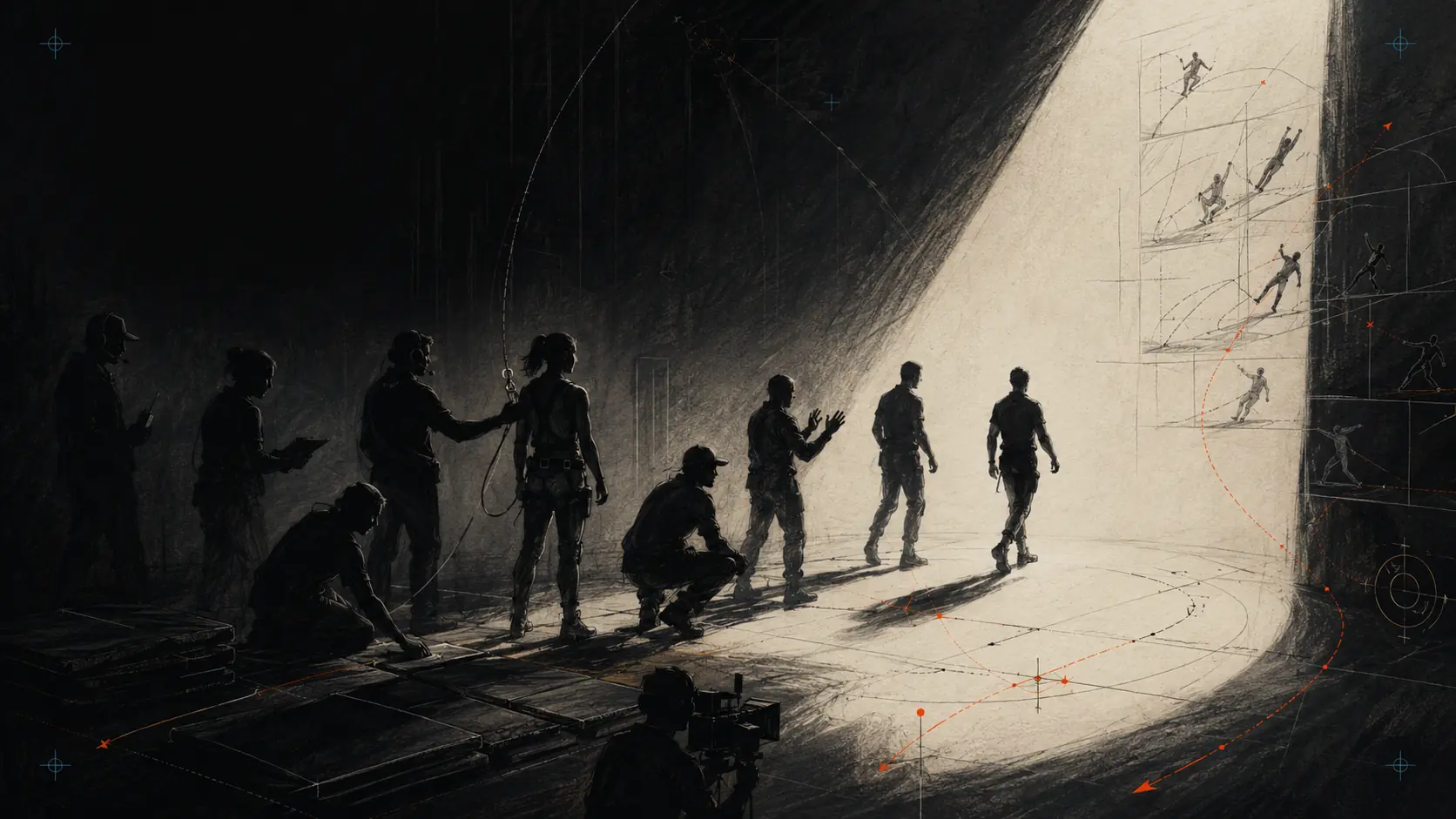
The work before the frame: design, rehearsal, camera and coordination converge. AI-generated conceptual editorial illustration; not a production photograph.